

 International Shipping Notice
 How We Pack Your Tansu
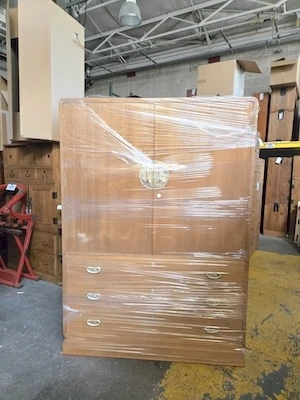
Each piece is carefully inspected, cleaned, and wrapped with protective plastic wrap.
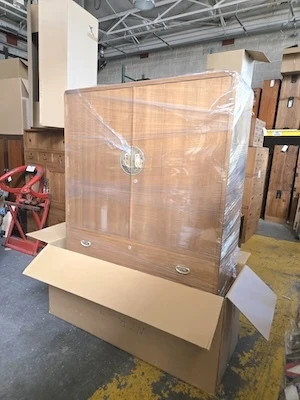
Styrofoam padding is placed at the bottom of the box, and the tansu is carefully positioned on top.
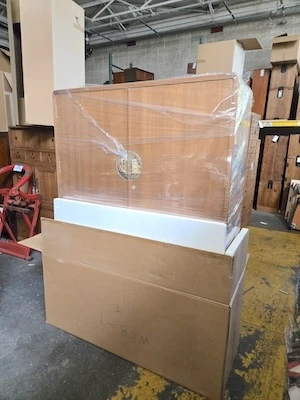
Additional Styrofoam is added around the tansu to protect all sides.
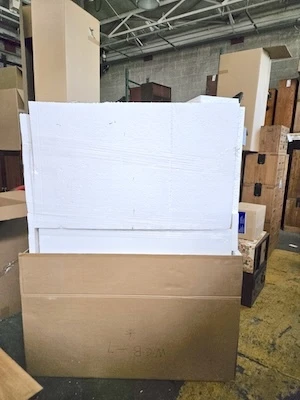
The piece is fully surrounded with Styrofoam and enclosed securely in a box.
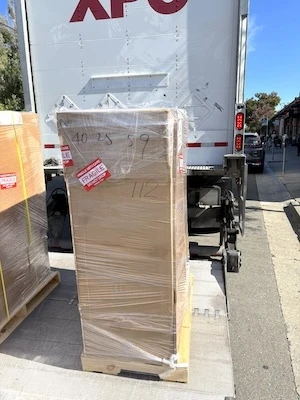
The boxed item is placed on a pallet and secured with poly banding straps for safe transport.
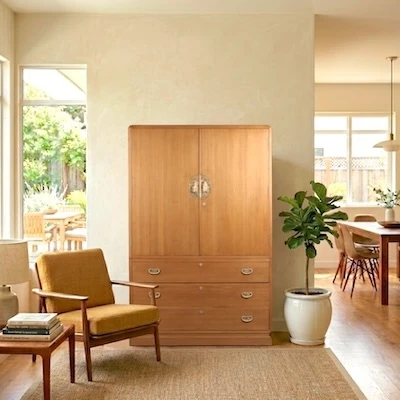
Arrives safely, ready to add warmth, history, and Japanese craftsmanship to your space.
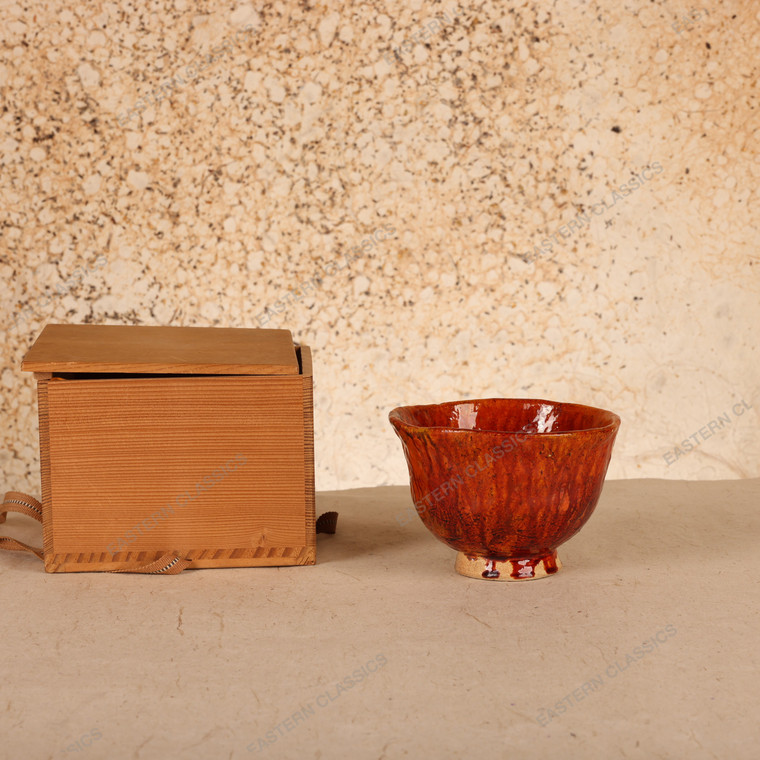
A boldly glazed stoneware chawan with a fiery iron-red finish and deeply expressive hand-formed character -- offered with its original wooden storage box.
A chawan is a traditional Japanese tea bowl used in the preparation and drinking of matcha during the tea ceremony, known as chado. This striking example showcases the mingei-influenced studio ceramic tradition of the early Showa period, when potters across Japan embraced natural, unpretentious forms in deliberate contrast to the refined precision of earlier ware. Hand-formed from stoneware clay, the bowl displays a deeply flared silhouette with a gently irregular, wavy rim -- each undulation a mark of the maker's hand. The exterior is covered in a richly textured iron-rich glaze that shifts from vivid orange-red to deep mahogany brown, pooling into a near-black concentration at the interior base. Vertical streaking in the glaze surface lends the piece a sense of movement and warmth that echoes the wabi-sabi aesthetic prized in Japanese vintage ceramics. The unglazed foot ring reveals a sandy, pale stoneware body, and a single dramatic drip of glaze trails down to the base -- a hallmark of expressive, kiln-fired character.
In a modern home, this vintage Japanese chawan is as versatile as it is beautiful. Use it functionally as a matcha bowl or everyday drinking vessel for a mindful morning ritual -- a unique gift for Japanophiles or tea ceremony enthusiasts. Displayed upright or inverted to show off the foot ring, it makes a compelling living room accent or shelf object in a Japandi style or wabi-sabi-inspired interior. It also serves beautifully as a small bowl for salt, jewelry, or trinkets on a nightstand or bathroom shelf, bringing warmth and handcrafted authenticity to any corner of the home. The accompanying wooden storage box adds provenance and makes presentation effortless.
A rare and expressive piece of Japanese vintage ceramics -- this early Showa chawan carries the warmth, imperfection, and quiet beauty that define the wabi-sabi aesthetic at its finest.
We use professional studio lighting to highlight the natural character of the wood. As a result, the tone may appear slightly warmer than under natural daylight.
All vintage items are sold as-is. Each piece may exhibit signs of age, including scratches, wear, or minor imperfections. These are not considered defects but natural evidence of the item’s authenticity and age.