


Vintage Japanese Shishi Koro Incense Burner, Early Showa (1927-1945) | SKU: 26M-795
SKU: 26M-795
$295.00




 International Shipping Notice
 How We Pack Your Tansu
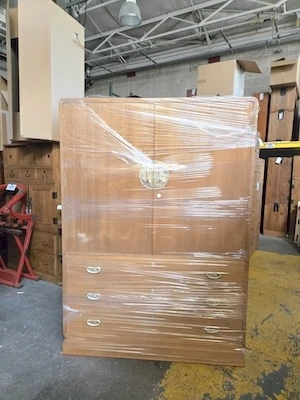
Each piece is carefully inspected, cleaned, and wrapped with protective plastic wrap.
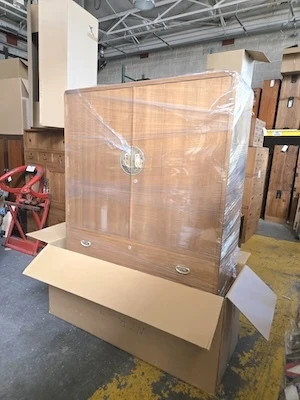
Styrofoam padding is placed at the bottom of the box, and the tansu is carefully positioned on top.
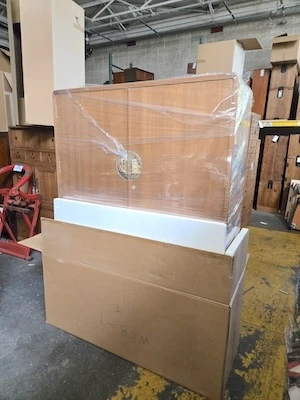
Additional Styrofoam is added around the tansu to protect all sides.
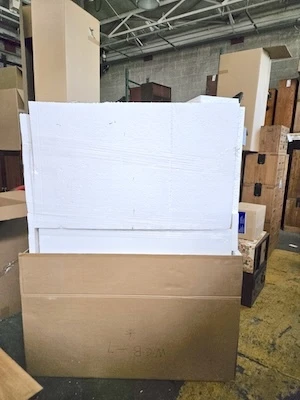
The piece is fully surrounded with Styrofoam and enclosed securely in a box.
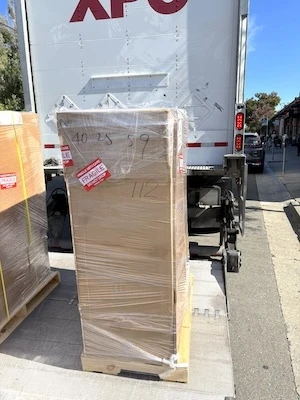
The boxed item is placed on a pallet and secured with poly banding straps for safe transport.
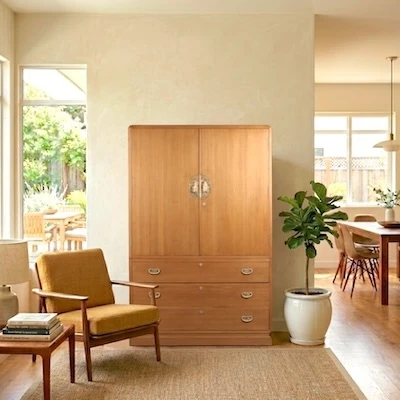
Arrives safely, ready to add warmth, history, and Japanese craftsmanship to your space.

A richly cast lidded koro with a shishi finial, openwork cover, and deep green patina.
A koro is a traditional Japanese incense burner, used to perfume a room, accompany quiet daily rituals, or serve as a decorative object with ceremonial character. This example is cast in bronze with a rounded hexagonal body, three slender legs, and upright side handles. The body is ornamented with repeating relief panels and scrollwork, while the pierced lid allows incense smoke to escape. At the top, a lively shishi finial adds a sculptural focal point. The overall dark green patina gives the piece an aged, atmospheric presence well suited to display.
In a modern home, this koro works beautifully as a shelf accent, study ornament, or meditative decorative piece on a console or mantel. Its compact scale and sculptural silhouette lend themselves to Japandi, traditional, or eclectic interiors alike. Whether displayed as a collectible metalwork object or used with loose incense, it brings a sense of quiet ritual and old-world craftsmanship to the room.
A characterful Japanese bronze koro that pairs sculptural form with traditional function.
We use professional studio lighting to highlight the natural character of the wood. As a result, the tone may appear slightly warmer than under natural daylight.
All vintage items are sold as-is. Each piece may exhibit signs of age, including scratches, wear, or minor imperfections. These are not considered defects but natural evidence of the item’s authenticity and age.
SKU: 26M-795



SKU: 26J-0275-1
