


Antique Japanese Three Section Kimono Tansu Clothing Chest, 1912 - 1926 (Taisho) | SKU: 26M-A051
SKU: 26M-A051
$1,500.00




 International Shipping Notice
 How We Pack Your Tansu
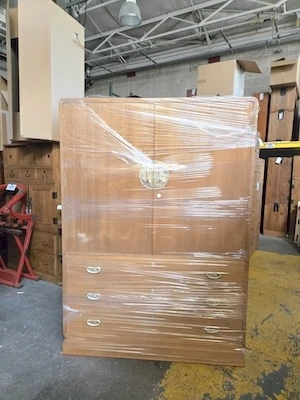
Each piece is carefully inspected, cleaned, and wrapped with protective plastic wrap.
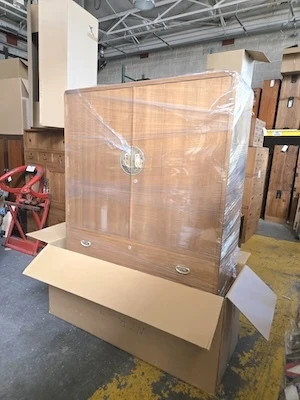
Styrofoam padding is placed at the bottom of the box, and the tansu is carefully positioned on top.
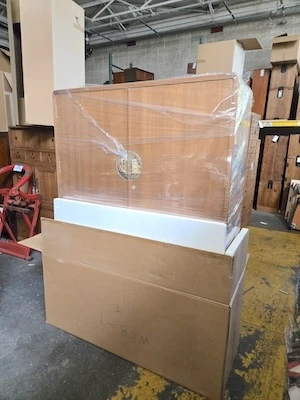
Additional Styrofoam is added around the tansu to protect all sides.
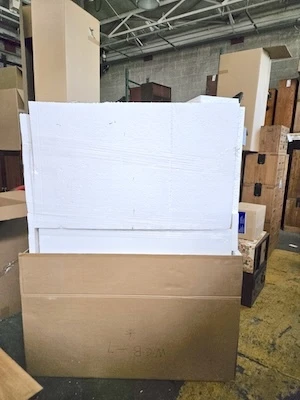
The piece is fully surrounded with Styrofoam and enclosed securely in a box.
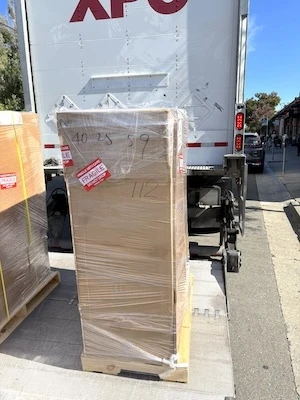
The boxed item is placed on a pallet and secured with poly banding straps for safe transport.
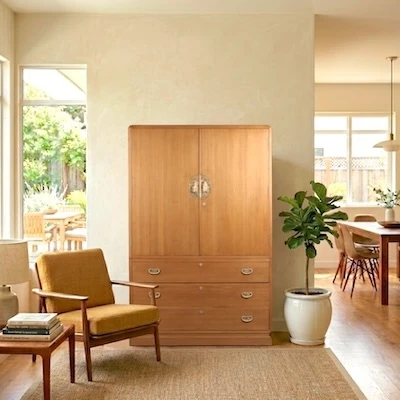
Arrives safely, ready to add warmth, history, and Japanese craftsmanship to your space.

A refined Taisho-era kimono tansu with balanced proportions, warm wood grain, and practical clothing storage arranged across drawers, cabinet space, and upper compartments.
A kimono tansu is a traditional Japanese clothing chest designed for the orderly storage of folded garments and personal effects. This example, dating to the Taisho period (1912-1926), presents a handsome vertical form with a three-section stacking construction and a thoughtfully varied facade. The lower portion is fitted with two deep full-width drawers, above which sits a pair of hinged cabinet doors opening to a spacious interior compartment. Across the midsection are three smaller drawers, while the upper section combines two sliding-door compartments with an open shelf area beneath. The wood shows an appealing straight grain, and the chest is accented with contrasting metal and wooden hardware, including rectangular recessed pulls, circular lock plates, and elongated door handles on backplates. Corner and edge fittings reinforce the form and contribute to its strong architectural presence.
In a modern home, this antique kimono tansu offers versatile storage while bringing the warmth and quiet character of Japanese craftsmanship into the room. It works beautifully in a bedroom for folded clothing and accessories, in a dressing area for linens and personal items, or in a living space where the combination of drawers, cabinet storage, and upper compartments can organize everyday belongings with style. Its clean lines and time-softened surfaces suit Japandi, minimalist, and layered interiors alike, making it a distinctive piece for collectors of Japanese antique furniture.
A beautifully composed piece of Japanese antique furniture, this Taisho-period kimono tansu brings both utility and enduring presence to the modern interior.
We use professional studio lighting to highlight the natural character of the wood. As a result, the tone may appear slightly warmer than under natural daylight.
All antique items are sold as-is. Each piece may exhibit signs of age, including scratches, wear, or minor imperfections. These are not considered defects but natural evidence of the item’s authenticity and age.
SKU: 26M-A051


SKU: 26M-A061


SKU: 26M-A469
