

 International Shipping Notice
 How We Pack Your Tansu
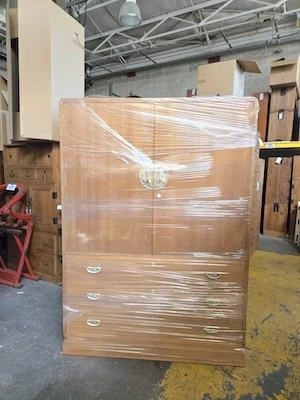
Each piece is carefully inspected, cleaned, and wrapped with protective plastic wrap.
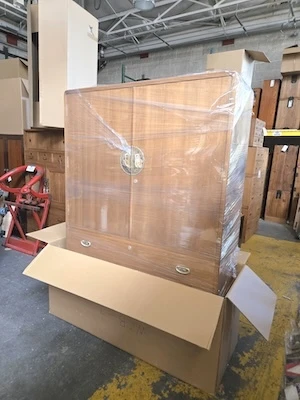
Styrofoam padding is placed at the bottom of the box, and the tansu is carefully positioned on top.
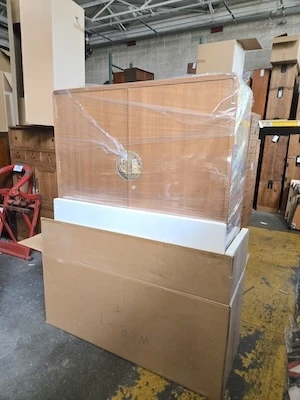
Additional Styrofoam is added around the tansu to protect all sides.
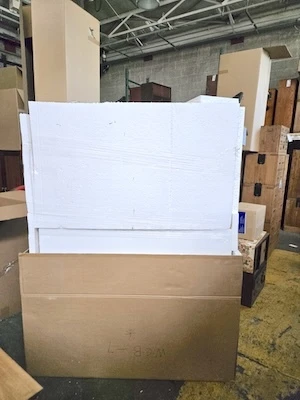
The piece is fully surrounded with Styrofoam and enclosed securely in a box.
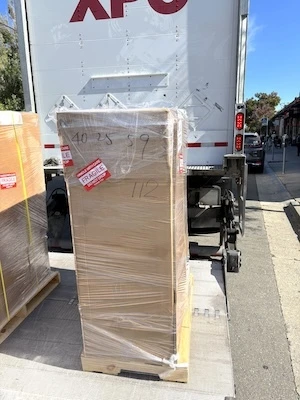
The boxed item is placed on a pallet and secured with poly banding straps for safe transport.
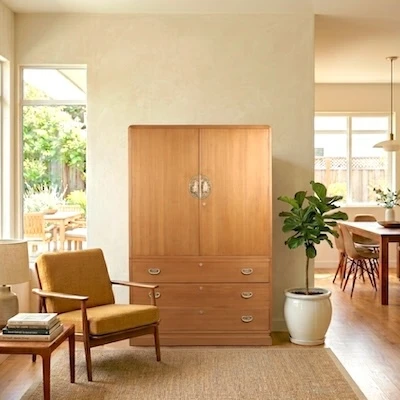
Arrives safely, ready to add warmth, history, and Japanese craftsmanship to your space.

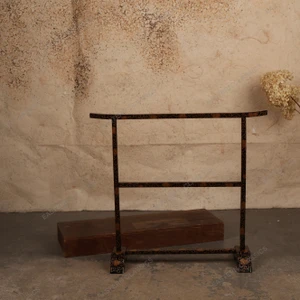
A two-panel folding ikake finished in black lacquer with gold scrolling vine decoration and painted fan motifs -- a striking piece of antique Japanese decorative craft.
An ikake is a traditional Japanese kimono display rack, used in refined households to air, present, or admire a prized garment between wearings. This folding two-panel example is built on a classic open-frame form: twin upright panels joined by metal butterfly hinges, each topped by a gracefully upswept crossbar whose gently curved tips are characteristic of formal ikake craftsmanship. The entire frame -- uprights, crossbars, and mid-rails -- is finished in deep black lacquer and decorated along every surface with a continuous gold scrolling vine-and-floral motif, painted with fine brushwork consistent with Meiji-era decorative lacquerware. The solid base panels on each panel feature hand-painted folding-fan compositions depicting pine boughs, bamboo, and ume (plum blossom) -- auspicious motifs long associated with celebration and good fortune in Japanese antique furniture. The quality of the gilded detailing and the sho-chiku-bai fan painting together suggest this was a piece intended for formal display rather than everyday utility.
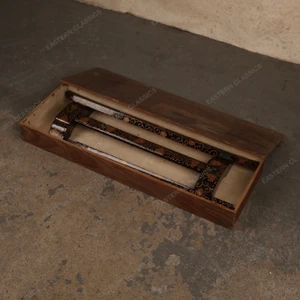
In a modern home, this handcrafted Japanese ikake is far more than a garment rack. Draped with a single length of fabric, a antique obi, or a favorite coat, it becomes a dramatic living room accent or bedroom decor focal point that perfectly suits a Japandi style or wabi-sabi aesthetic interior. Its open silhouette and elegant proportions also make it a compelling entryway furniture piece -- a place to display a seasonal textile or simply to stand as sculptural art. Folding flat for easy storage, it travels well and makes an exceptional unique gift for collectors of Japanese antique furniture or anyone who appreciates handcrafted Japanese art objects.
A graceful piece of Japanese antique furniture that brings ceremonial elegance and hand-painted artistry into any modern interior.
We use professional studio lighting to highlight the natural character of the wood. As a result, the tone may appear slightly warmer than under natural daylight.
All antique items are sold as-is. Each piece may exhibit signs of age, including scratches, wear, or minor imperfections. These are not considered defects but natural evidence of the item’s authenticity and age.