




 International Shipping Notice
 How We Pack Your Tansu
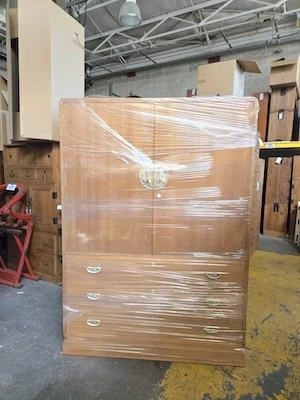
Each piece is carefully inspected, cleaned, and wrapped with protective plastic wrap.
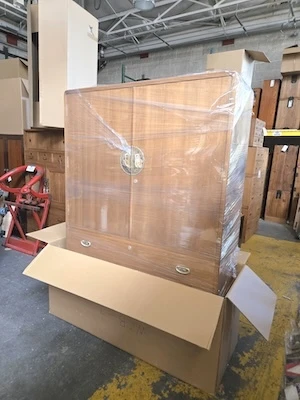
Styrofoam padding is placed at the bottom of the box, and the tansu is carefully positioned on top.
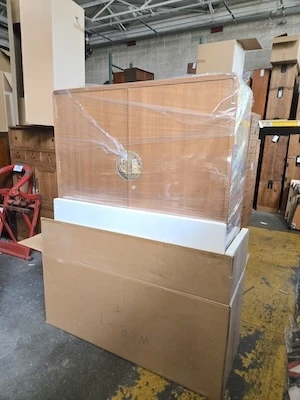
Additional Styrofoam is added around the tansu to protect all sides.
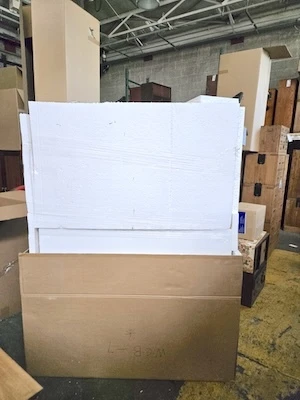
The piece is fully surrounded with Styrofoam and enclosed securely in a box.
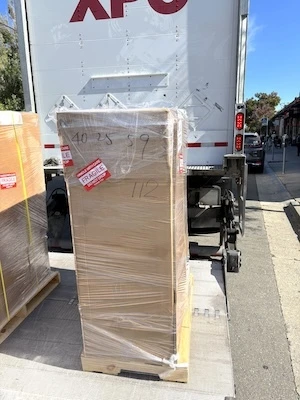
The boxed item is placed on a pallet and secured with poly banding straps for safe transport.
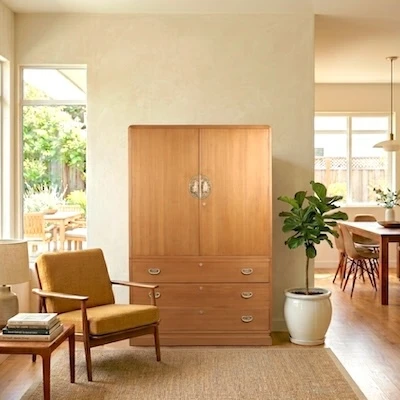
Arrives safely, ready to add warmth, history, and Japanese craftsmanship to your space.

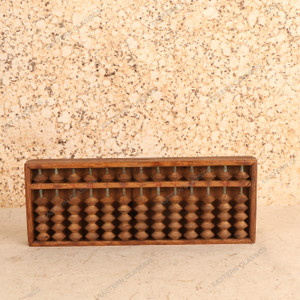
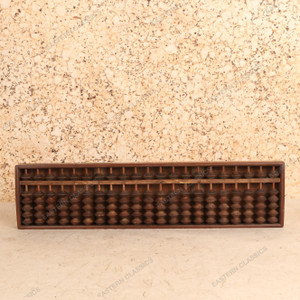
A handcrafted Japanese soroban abacus with rich dark patina, red place-value markings, and the satisfying heft of decades of daily use.
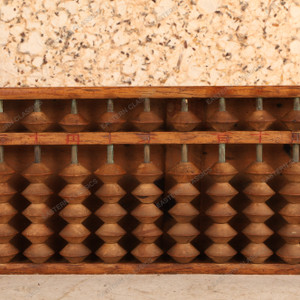
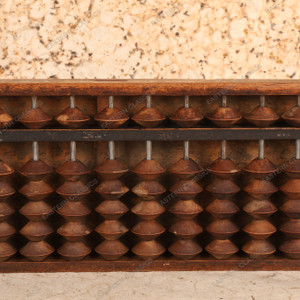
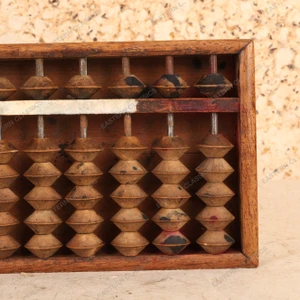
A soroban is the traditional Japanese abacus, refined over centuries from Chinese predecessors into a uniquely efficient calculating tool used in commerce, banking, and education across Japan. This vintage example features a sturdy rectangular hardwood frame housing rows of bicone-shaped wooden beads threaded on metal rods, separated by a horizontal divider beam -- the classic layout that places one "heaven bead" above and four "earth beads" below on each rod. Red place-value markers stamped along the divider beam serve as quick reference guides for the operator, a hallmark detail of quality Japanese soroban craftsmanship. The beads have developed a warm, deep patina from years of fingertip contact, giving the piece the unmistakable character of a well-used vintage Japanese tool. Even as pocket calculators arrived in the late Taisho era, soroban remained in widespread school use, and finely made examples like this were a source of quiet professional pride.
Today this soroban makes a compelling piece of living room or home office decor for anyone drawn to Japandi style or the wabi-sabi aesthetic. Displayed flat on a bookshelf or desk, its repeating geometric bead pattern reads almost like textile art -- graphic, rhythmic, and deeply tactile. Lean it upright against a stack of books or prop it on a small easel for an instant minimalist decor accent. It also makes a unique gift for collectors of vintage Japanese craft, mathematics enthusiasts, or anyone who appreciates handmade objects with genuine history. Its compact footprint means it fits naturally on a side table, window ledge, or mantelpiece without demanding attention -- yet it always draws a second look.
A beautifully preserved piece of vintage Japanese craft -- where mathematics meets minimalist design, and every bead carries decades of quiet human story.
We use professional studio lighting to highlight the natural character of the wood. As a result, the tone may appear slightly warmer than under natural daylight.
All vintage items are sold as-is. Each piece may exhibit signs of age, including scratches, wear, or minor imperfections. These are not considered defects but natural evidence of the item’s authenticity and age.