






 International Shipping Notice
 How We Pack Your Tansu
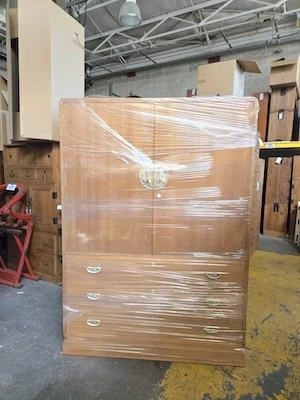
Each piece is carefully inspected, cleaned, and wrapped with protective plastic wrap.
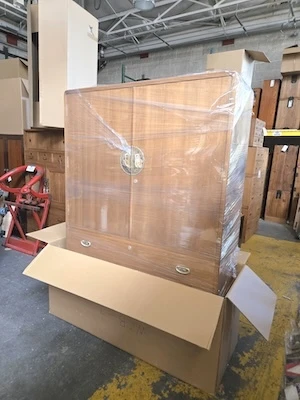
Styrofoam padding is placed at the bottom of the box, and the tansu is carefully positioned on top.
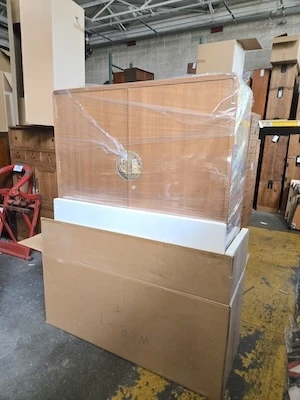
Additional Styrofoam is added around the tansu to protect all sides.
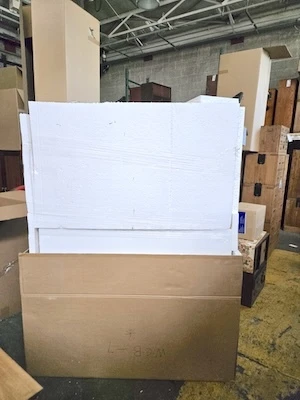
The piece is fully surrounded with Styrofoam and enclosed securely in a box.
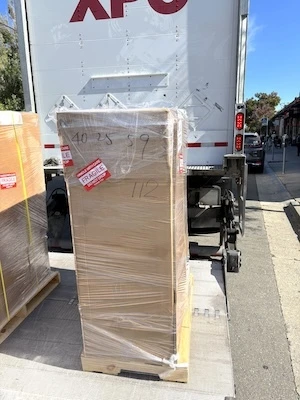
The boxed item is placed on a pallet and secured with poly banding straps for safe transport.
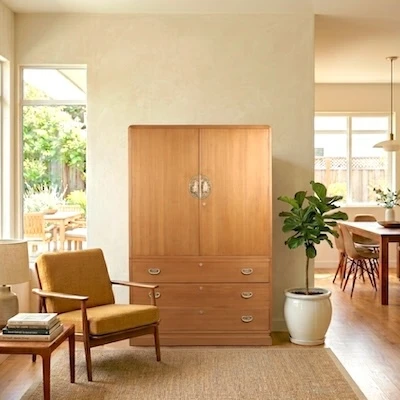
Arrives safely, ready to add warmth, history, and Japanese craftsmanship to your space.

A cast iron toro lantern electrified for modern use -- intricate pierced ironwork meets pagoda-style architecture in a rare piece of vintage Japanese decorative lighting.
A toro is a traditional Japanese stone or metal lantern, long used in temple gardens and shrine pathways to cast a warm, diffused glow through the night. This tabletop example translates that centuries-old form into cast iron, shaped as a miniature pagoda with a broad, upswept roof finished in a wave-scale relief texture and crowned by a gourd-shaped finial fitted with a suspension ring. The hexagonal body is pierced across every face with layered decorative panels -- scrolling cloud and floral motifs in the upper registers, bold arabesques in the central fields, and a wave-patterned border at the base -- all rendered with the sharp detail achievable only through quality iron casting. One face is fitted with a small hinged door, a functional touch that recalls the original purpose of such lanterns: to shelter an open flame. The piece was electrified at some point during the mid-Showa era, consistent with Japan's postwar modernization of traditional crafts, and retains its period cord and two-pin plug. As with any vintage electrical item, professional rewiring is recommended before use as a lamp.
In a modern home, this vintage Japanese iron lantern earns its place as a striking living room accent or entryway statement piece. Set it on a sideboard or low shelf and let the pierced ironwork cast lacy shadow patterns across the walls -- a beautiful effect with a simple LED candle bulb placed inside, no rewiring required. Its wabi-sabi aesthetic and dark, weathered patina pair naturally with Japandi style interiors, rustic wood furniture, and earthy textiles. It also makes a compelling gift for collectors of Japanese vintage decor or for anyone drawn to handcrafted Japanese metalwork with genuine age and character.
A rare piece of vintage Japanese decorative lighting -- handcrafted cast iron toro artistry that brings the warmth of traditional garden lantern culture into any modern interior.
We use professional studio lighting to highlight the natural character of the wood. As a result, the tone may appear slightly warmer than under natural daylight.
All vintage items are sold as-is. Each piece may exhibit signs of age, including scratches, wear, or minor imperfections. These are not considered defects but natural evidence of the item’s authenticity and age.


