






 International Shipping Notice
 How We Pack Your Tansu
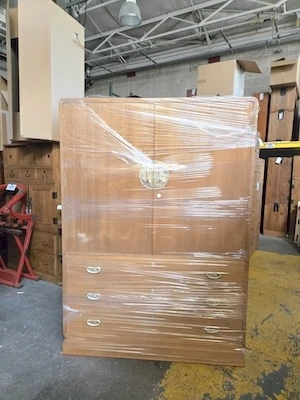
Each piece is carefully inspected, cleaned, and wrapped with protective plastic wrap.
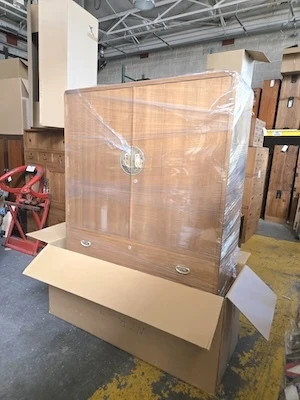
Styrofoam padding is placed at the bottom of the box, and the tansu is carefully positioned on top.
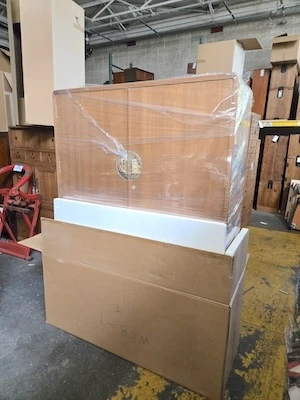
Additional Styrofoam is added around the tansu to protect all sides.
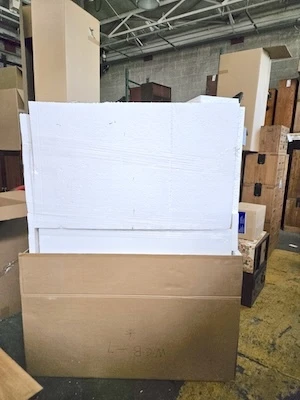
The piece is fully surrounded with Styrofoam and enclosed securely in a box.
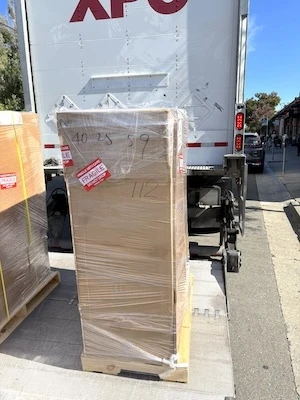
The boxed item is placed on a pallet and secured with poly banding straps for safe transport.
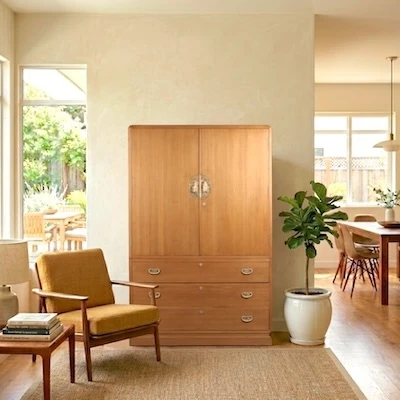
Arrives safely, ready to add warmth, history, and Japanese craftsmanship to your space.
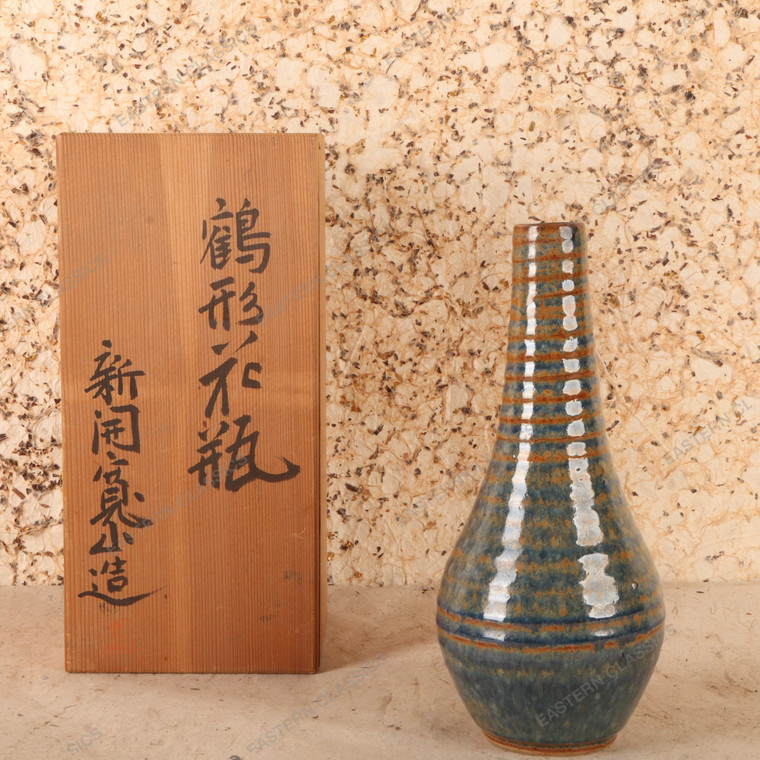
A sculptural ceramic hanaire with a mottled blue-green and amber glaze, presented in its original tomobako -- a rare find for collectors of vintage Japanese craft.
A hanaire is a traditional Japanese flower vase used in ikebana, the classical art of floral arrangement, where the vessel itself is considered as important as the blooms it holds. This tsuru-gata hanaire -- meaning "crane-form flower vase" -- takes its name from the elegant silhouette of the crane, Japan's most revered bird and a symbol of longevity and good fortune. The form is immediately recognizable: a narrow, ribbed neck rises gracefully from a full, rounded body, evoking the elongated neck and swelling breast of the tsuru in perfect proportion. The ceramic body is covered in a richly variegated glaze shifting between deep slate blue, muted teal, and warm amber, with scattered white drip accents that catch the light and add depth -- consistent with a skilled studio kiln tradition from the late Showa period. The unglazed foot ring reveals a reddish clay body, and a blue underglaze artist mark is visible on the base. The tomobako (original wood storage box) is brush-inscribed with "tsuru-gata hanaire" and credits the producing kiln, lending this piece strong provenance for collectors of Japanese vintage ceramics.
In a modern home, this vintage Japanese hanaire is a natural statement piece for a living room shelf, bedroom dresser, or entry console -- its sculptural silhouette and earthy glaze palette suiting both Japandi style interiors and wabi-sabi aesthetic arrangements alike. Display it alone as a decorative accent, pair it with a single branch of dried botanicals for a minimal ikebana-inspired vignette, or use it as a bud vase for fresh seasonal flowers. The included tomobako adds display and storage value and makes this an especially thoughtful housewarming gift or a standout gift for collectors and Japanophiles seeking an authenticated piece with genuine provenance.
A finely glazed vintage Japanese hanaire with authentic tomobako provenance -- a collector-quality accent that brings the quiet beauty of ikebana tradition into any modern interior.
We use professional studio lighting to highlight the natural character of the wood. As a result, the tone may appear slightly warmer than under natural daylight.
All vintage items are sold as-is. Each piece may exhibit signs of age, including scratches, wear, or minor imperfections. These are not considered defects but natural evidence of the item’s authenticity and age.


