Free Shipping




 International Shipping Notice
 How We Pack Your Tansu
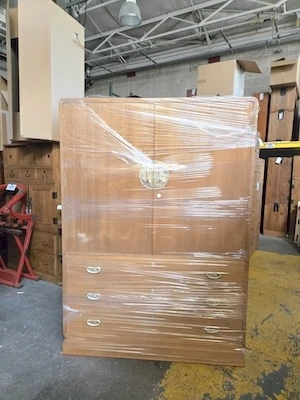
Each piece is carefully inspected, cleaned, and wrapped with protective plastic wrap.
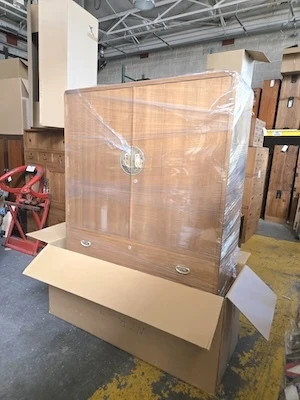
Styrofoam padding is placed at the bottom of the box, and the tansu is carefully positioned on top.
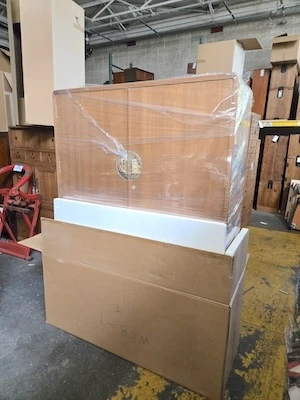
Additional Styrofoam is added around the tansu to protect all sides.
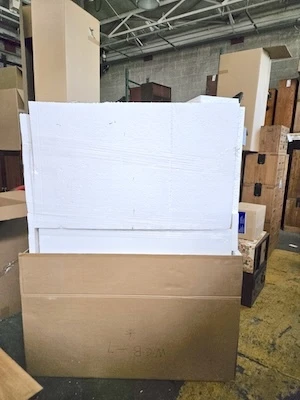
The piece is fully surrounded with Styrofoam and enclosed securely in a box.
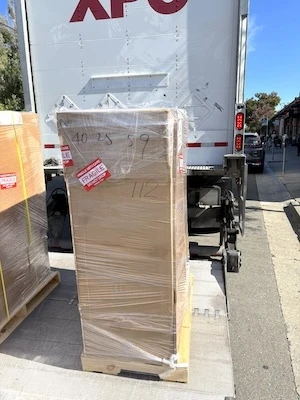
The boxed item is placed on a pallet and secured with poly banding straps for safe transport.
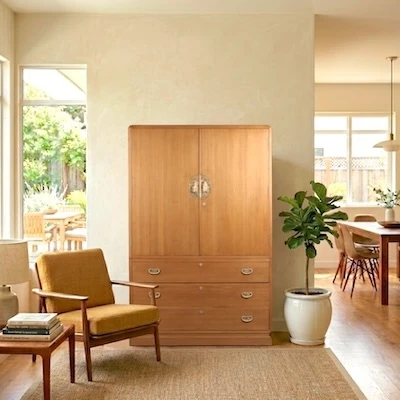
Arrives safely, ready to add warmth, history, and Japanese craftsmanship to your space.

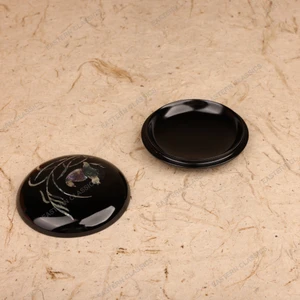
A refined vintage Japanese kogo incense container with a glossy black lacquer finish and delicate mother-of-pearl inlay depicting a bird-and-flower motif.
A kogo is a small traditional Japanese incense container, often used in the tea ceremony to hold pieces of fragrant incense wood or kneaded incense. This vintage Japanese kogo dates to the Early Showa period (1927-1945) and features a smooth, rounded form finished in deep glossy black lacquer. The lid is decorated with a graceful kacho-ga style motif, combining flowing plant forms with small bird imagery rendered in shimmering mother-of-pearl inlay. The iridescent shell catches the light beautifully against the dark lacquer ground, creating a quiet yet elegant contrast.
The piece opens into a shallow two-part container, with both the lid and base finished in polished black lacquer. Its compact size and refined surface make it a charming example of Japanese lacquerware intended for intimate ritual use. In a modern home, this kogo works beautifully as a small decorative accent on a shelf, tea table, or display tray. It may also be used as a keepsake container for small jewelry, rings, incense, or other tiny treasures. Its understated black lacquer finish and luminous shell inlay make it especially suitable for Japandi, wabi-sabi, minimalist, or traditional Japanese interiors.
Origin: Japan
Era: 1927-1945 (Early Showa)
Material: Wood with glossy black lacquer finish; mother-of-pearl shell inlay
Use: Traditional kogo incense container; tea ceremony accessory; small lacquerware box
Modern Use: Decorative accent; small jewelry or ring container; incense holder; keepsake box; gift for collectors of Japanese lacquerware
Features: Glossy black lacquer exterior and interior; rounded low-profile form; two-part fitted container; mother-of-pearl kacho-style bird-and-flower motif on lid; subtle iridescent shell detail; compact hand-held size
Dimensions: 2 12" Diameter
Condition: Excellent vintage condition with minor surface wear consistent with age and use
A delicate piece of vintage Japanese lacquerware -- small in scale yet rich in quiet detail -- bringing the refined atmosphere of the tea ceremony into a modern living space.
We use professional studio lighting to highlight the natural character of the wood. As a result, the tone may appear slightly warmer than under natural daylight.
All vintage items are sold as-is. Each piece may exhibit signs of age, including scratches, wear, or minor imperfections. These are not considered defects but natural evidence of the item’s authenticity and age.


SKU: 26M-722


SKU: 26M-795