
Free Shipping





 International Shipping Notice
 How We Pack Your Tansu
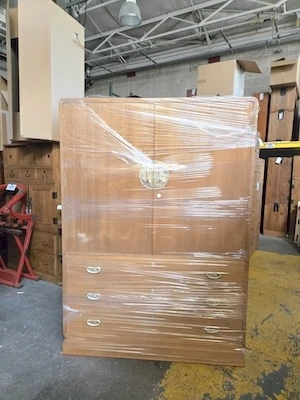
Each piece is carefully inspected, cleaned, and wrapped with protective plastic wrap.
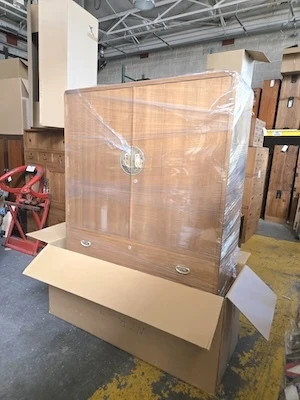
Styrofoam padding is placed at the bottom of the box, and the tansu is carefully positioned on top.
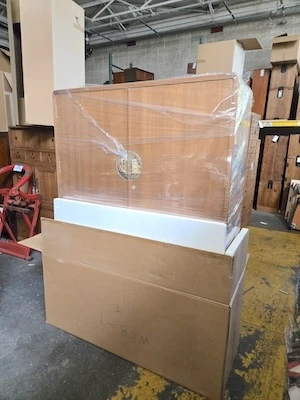
Additional Styrofoam is added around the tansu to protect all sides.
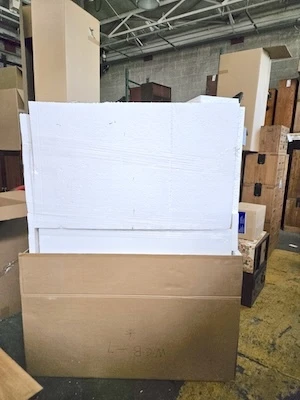
The piece is fully surrounded with Styrofoam and enclosed securely in a box.
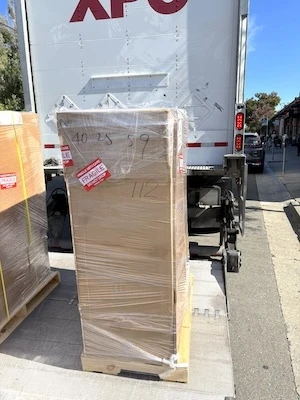
The boxed item is placed on a pallet and secured with poly banding straps for safe transport.
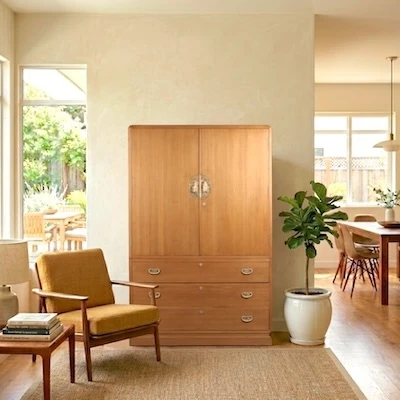
Arrives safely, ready to add warmth, history, and Japanese craftsmanship to your space.

A miniature masterpiece of yosegi marquetry -- every surface a mosaic of handcrafted geometric pattern.
A yosegi-zaiku box is a traditional Japanese puzzle box or keepsake box decorated using the yosegi marquetry technique, a craft long associated with the Hakone and Odawara regions of Japan. Skilled craftsmen assemble thin veneers of contrasting native woods into complex geometric patterns -- diamonds, star-burst motifs, key-fret meanders, and interlocking lattice bands -- which are then sliced and applied to the wooden surface. This vintage Japanese craft box displays an exceptionally rich arrangement of multiple distinct yosegi patterns across its lid, each band running diagonally to create a dynamic, almost kaleidoscopic effect in warm amber, ochre, deep burgundy, and dark brown tones. The body is fashioned from a smooth pale hardwood, likely hinoki (cypress) or a similar light-toned domestic wood, providing a clean contrast to the richly patterned lid. The construction reveals a sliding drawer mechanism -- a hallmark of classic Hakone puzzle box design -- opening to expose a neat interior compartment. This is a fine example of handcrafted Japanese decorative craft from the Late Showa period.
Today, a small yosegi box like this is a versatile and eye-catching accent for any modern interior. Use it as a compact jewelry box on a bedroom dresser or vanity -- perfect for rings, earrings, or a cherished keepsake. On a home office desk it makes a refined holder for business cards, paper clips, or small stationery items, adding a wabi-sabi aesthetic to a minimalist decor scheme. Its Japandi style sensibility -- natural wood tones, precise geometric patterning, quiet craftsmanship -- makes it equally at home displayed as a standalone decorative accent on a bookshelf or coffee table. A truly unique gift for collectors, Japanophiles, or anyone who appreciates the artistry of vintage Japanese craft.
A pocket-sized treasure of Japanese vintage craft -- the intricate yosegi marquetry of this Late Showa puzzle box brings centuries of Hakone woodworking artistry into any modern home.
We use professional studio lighting to highlight the natural character of the wood. As a result, the tone may appear slightly warmer than under natural daylight.
All vintage items are sold as-is. Each piece may exhibit signs of age, including scratches, wear, or minor imperfections. These are not considered defects but natural evidence of the item’s authenticity and age.


SKU: 26M-827


