

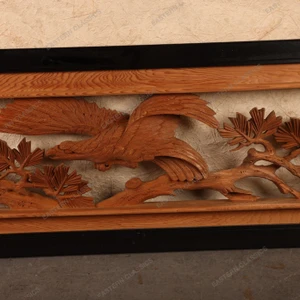
Vintage Japanese Ranma Carved Wood Transom Panel, Early Showa 1927-1945 | SKU: 24N-153-1
SKU: 24N-153-1
$300.00




 International Shipping Notice
 How We Pack Your Tansu
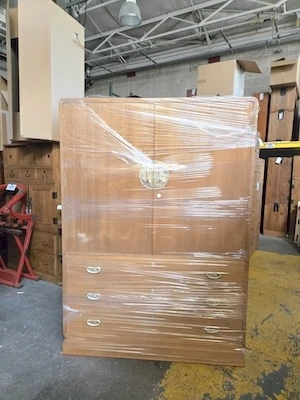
Each piece is carefully inspected, cleaned, and wrapped with protective plastic wrap.
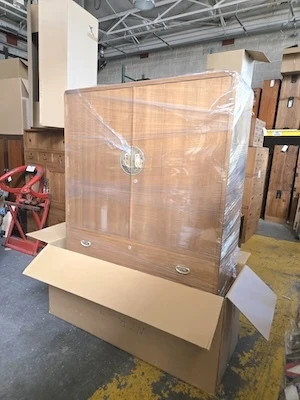
Styrofoam padding is placed at the bottom of the box, and the tansu is carefully positioned on top.
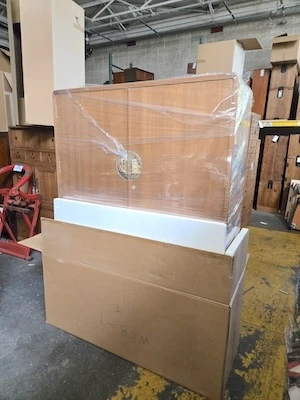
Additional Styrofoam is added around the tansu to protect all sides.
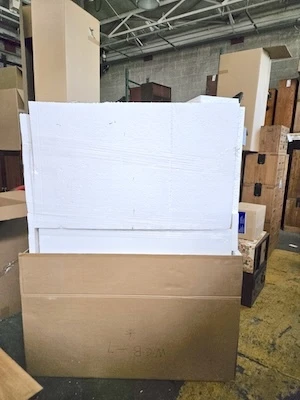
The piece is fully surrounded with Styrofoam and enclosed securely in a box.
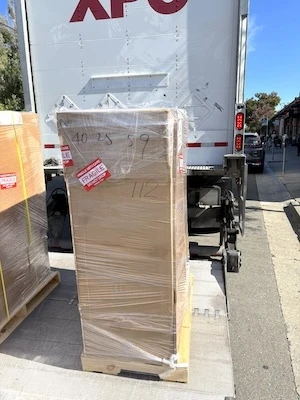
The boxed item is placed on a pallet and secured with poly banding straps for safe transport.
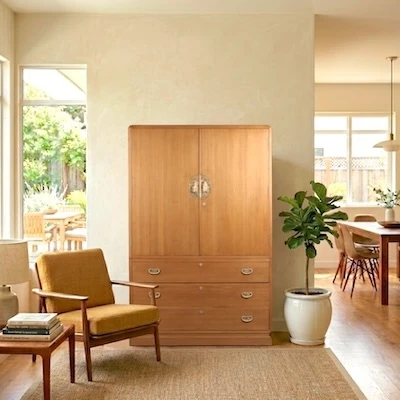
Arrives safely, ready to add warmth, history, and Japanese craftsmanship to your space.

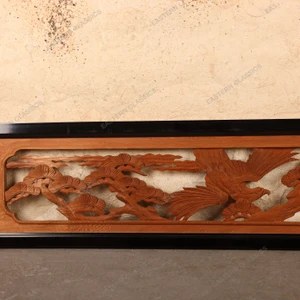
A masterwork of Japanese architectural carving -- cranes in flight among windswept pine, hand-cut in warm hardwood with a bold black lacquer frame.
A ranma is a decorative transom panel fitted above sliding doors or room dividers in a traditional Japanese interior, serving both to allow light and air to pass between rooms and to display fine woodworking craftsmanship. This vintage example presents an exceptionally refined composition: cranes soaring above dramatically sculpted pine branches rendered in deep openwork relief across the full width of the panel. The crane and pine (tsuru-matsu) motif is among the most auspicious in Japanese art, symbolizing longevity, good fortune, and enduring strength -- making this piece a fitting centerpiece for a formal reception room or study. The warm reddish-brown hardwood, with its subtly figured grain visible across the solid background sections, is beautifully offset by the bold black-lacquered outer frame. The carving itself is of high quality, with layered depth, crisp detail in the fanned pine needles, and fluid movement in the outstretched crane wings, all consistent with skilled early Showa architectural woodwork.
Freed from its original architectural context, this ranma makes a striking piece of Japanese vintage wall art that suits a wide range of modern interiors. Hang it horizontally above a sofa, bed head, or console table as a living room accent or bedroom statement piece -- its long, low proportions are ideally suited to filling the space above furniture. The graphic black frame means it integrates effortlessly into Japandi style, wabi-sabi aesthetic, and minimalist decor settings alike, without requiring any additional framing. It also works beautifully displayed on a picture ledge or leaned against a wall in an entryway for an immediate focal point. A rare and meaningful housewarming gift or gift for collectors of Japanese architectural vintage pieces, this panel brings a genuine fragment of early Showa craftsmanship into a contemporary home.
A rare and authentic piece of Japanese vintage architectural art -- handcrafted in the early Showa period and ready to bring longevity, beauty, and wabi-sabi warmth to any modern home.
We use professional studio lighting to highlight the natural character of the wood. As a result, the tone may appear slightly warmer than under natural daylight.
All vintage items are sold as-is. Each piece may exhibit signs of age, including scratches, wear, or minor imperfections. These are not considered defects but natural evidence of the item’s authenticity and age.
SKU: 24N-153-1


SKU: 24N-153-2

SKU: 24N-254-3-1


SKU: 26J-0167-1
