


Vintage Japanese Ranma Carved Wood Transom Panel, Early Showa 1927-1945 | SKU: 26J-0167-3
SKU: 26J-0167-3
$300.00




 International Shipping Notice
 How We Pack Your Tansu
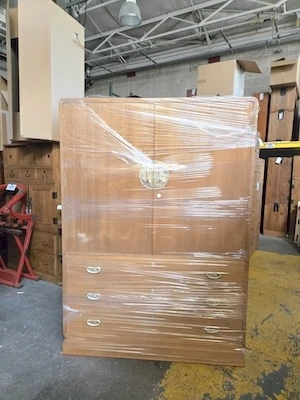
Each piece is carefully inspected, cleaned, and wrapped with protective plastic wrap.
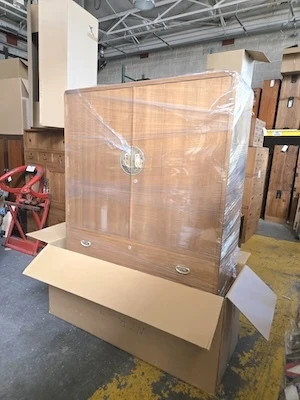
Styrofoam padding is placed at the bottom of the box, and the tansu is carefully positioned on top.
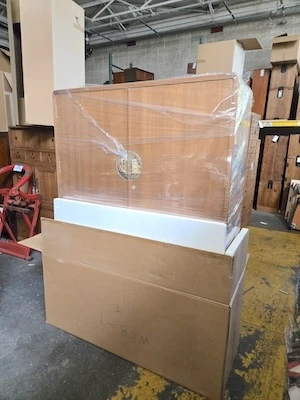
Additional Styrofoam is added around the tansu to protect all sides.
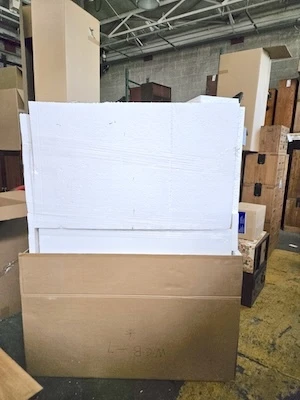
The piece is fully surrounded with Styrofoam and enclosed securely in a box.
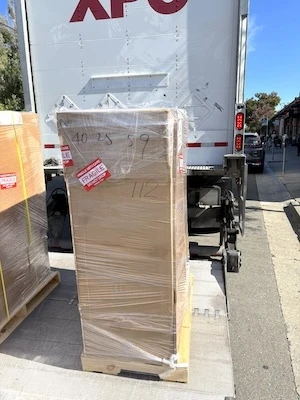
The boxed item is placed on a pallet and secured with poly banding straps for safe transport.
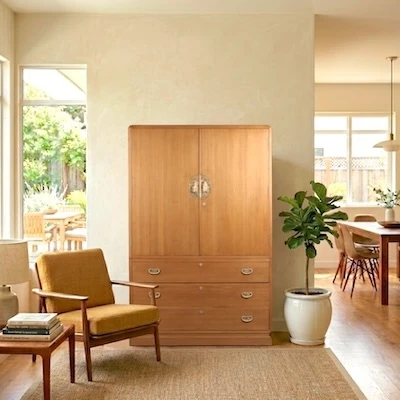
Arrives safely, ready to add warmth, history, and Japanese craftsmanship to your space.

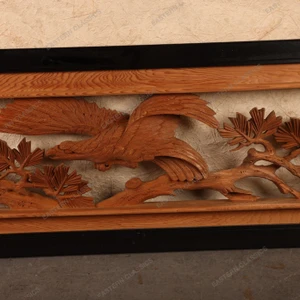
A masterwork of sukashi-bori openwork carving -- soaring bird and ancient pine rendered in warm, richly grained wood
A ranma is a traditional Japanese architectural transom panel fitted above sliding doors or room partitions to allow light and air to pass between rooms while adding a dramatic decorative element to the interior. This exceptional example features sukashi-bori -- the art of pierced openwork carving -- executed with exceptional skill across a wide horizontal panel. The composition depicts a gnarled, spreading pine tree with fan-shaped foliage clusters extending across the full width of the panel, while a large bird in full flight -- its wing and tail feathers rendered in extraordinary detail -- sweeps dynamically through the branches. The inner aperture is framed by a softly scalloped border, and the outer molded frame displays a pronounced straight wood grain consistent with Japanese sugi (cedar) or a similar native softwood, finished in a warm amber-brown tone. The depth and precision of the carving, with each pine needle cluster and individual feather individually worked, speaks to the hand of a skilled craftsman working in the established tradition of Japanese vintage architectural woodwork.
Removed from its original architectural setting, this vintage Japanese ranma panel makes a striking statement as a standalone decorative object in a modern home. Mount it horizontally on a living room feature wall or above a fireplace mantel as an oversized sculptural artwork -- its openwork design casts beautiful shadow patterns when backlit. It works equally well as a bedroom headboard accent, a statement piece in an entryway, or a room divider insert in a Japandi-style or wabi-sabi aesthetic interior. Given the scale and drama of the carving, it would also make a truly unique gift for collectors of Japanese vintage furniture and architectural salvage, or for any Japanophile who appreciates handcrafted Japanese woodwork at its finest.
A rare and museum-quality piece of Japanese vintage architectural woodwork -- handcrafted with extraordinary skill and ready to become the focal point of any modern interior.
We use professional studio lighting to highlight the natural character of the wood. As a result, the tone may appear slightly warmer than under natural daylight.
All vintage items are sold as-is. Each piece may exhibit signs of age, including scratches, wear, or minor imperfections. These are not considered defects but natural evidence of the item’s authenticity and age.
SKU: 26J-0167-3


SKU: 26J-0603-1


SKU: 26J-0168

SKU: 24N-153-1
