

 International Shipping Notice
 How We Pack Your Tansu
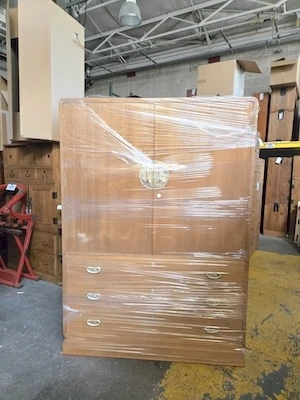
Each piece is carefully inspected, cleaned, and wrapped with protective plastic wrap.
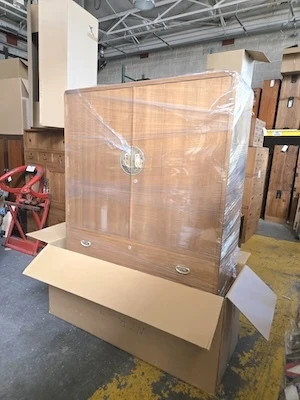
Styrofoam padding is placed at the bottom of the box, and the tansu is carefully positioned on top.
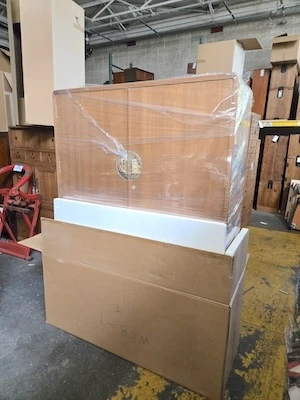
Additional Styrofoam is added around the tansu to protect all sides.
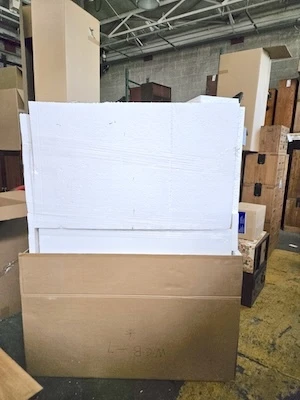
The piece is fully surrounded with Styrofoam and enclosed securely in a box.

The boxed item is placed on a pallet and secured with poly banding straps for safe transport.
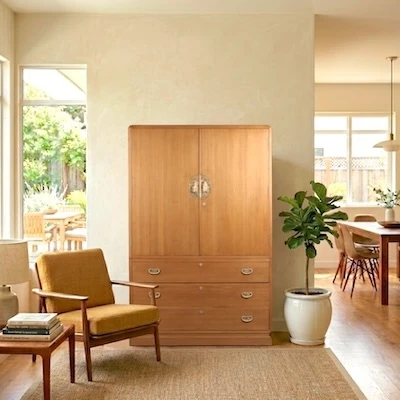
Arrives safely, ready to add warmth, history, and Japanese craftsmanship to your space.

A hand-carved sandstone votive pillar bearing inscribed dedications -- a rare and deeply atmospheric piece of Japanese antique stone craft.
A sekihi is a traditional Japanese stone pillar or stele, typically erected at temples, shrines, roadsides, or within private gardens as an act of devotion, commemoration, or community record-keeping. This cylindrical pillar, shaped from coarse-grained sandstone, features two distinct register sections separated by a carved horizontal band -- a form closely associated with votive and memorial stonework from the late Meiji through Taisho periods. The surfaces are densely inscribed in hand-chiseled characters recording what appear to be dedications, place names, and the names of donors or patrons, consistent with the tradition of communal offering pillars placed at tea houses, wayside shrines, or neighborhood associations. The rough, pitted texture of the stone and the depth of the weathered carving speak to a century of outdoor exposure, lending the piece an authentic wabi-sabi character prized by collectors of antique Japanese folk craft and handcrafted Japanese stonework.
In a modern home, this striking sekihi pillar works beautifully as a sculptural floor accent in a living room, entryway, or garden courtyard. Its columnar silhouette and warm sandy tone complement Japandi style interiors, wabi-sabi aesthetic spaces, and minimalist decor alike. Stood upright in a garden or on a covered terrace, it serves as a powerful focal point among plantings and gravel. Indoors, it functions as a bold pedestal for a single ikebana arrangement or a ceramic vessel, or simply as a standalone art object that anchors a corner with quiet gravitas. This is a unique gift for collectors of Japanese antique sculpture, Japanophiles, or anyone seeking an irreplaceable piece of living history for their home or garden.
A singular piece of Japanese antique stone craft -- hand-carved, community-inscribed, and carrying a century of quiet history into any modern space.
We use professional studio lighting to highlight the natural character of the wood. As a result, the tone may appear slightly warmer than under natural daylight.
All antique items are sold as-is. Each piece may exhibit signs of age, including scratches, wear, or minor imperfections. These are not considered defects but natural evidence of the item’s authenticity and age.