


Vintage Japanese Misu (Sudare) Bamboo Screen, 1966 - 1989 (Late Showa) | SKU: 26M-971-1
SKU: 26M-971-1
Sold Out



 International Shipping Notice
 How We Pack Your Tansu
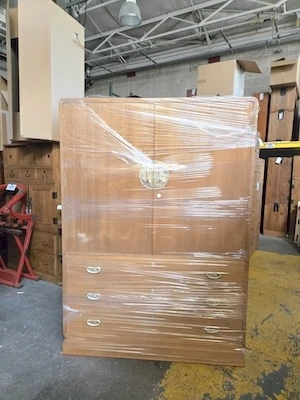
Each piece is carefully inspected, cleaned, and wrapped with protective plastic wrap.
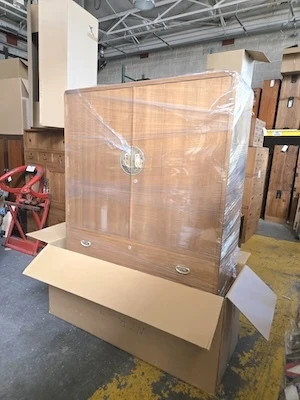
Styrofoam padding is placed at the bottom of the box, and the tansu is carefully positioned on top.
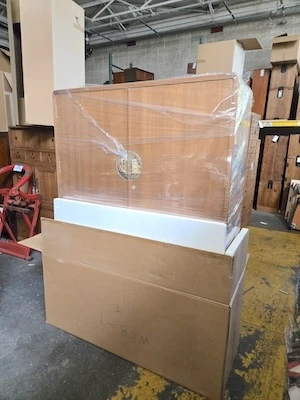
Additional Styrofoam is added around the tansu to protect all sides.
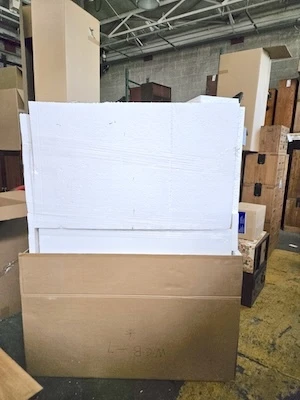
The piece is fully surrounded with Styrofoam and enclosed securely in a box.
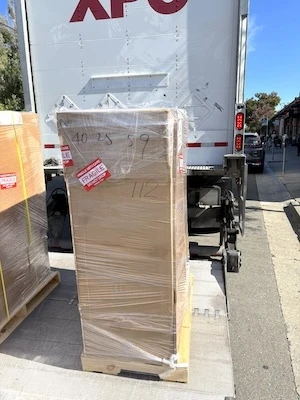
The boxed item is placed on a pallet and secured with poly banding straps for safe transport.
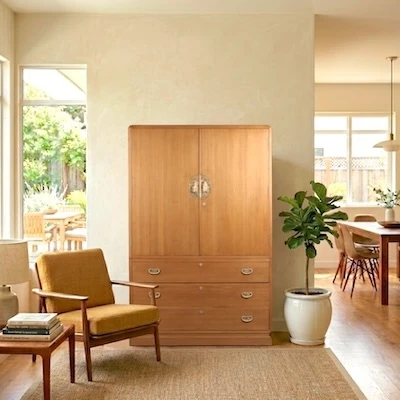
Arrives safely, ready to add warmth, history, and Japanese craftsmanship to your space.

A matched pair of finely woven Japanese bamboo sudare screens with floral brocade borders and decorative tassel pulls -- warm amber tones that bring natural texture to any interior.
A sudare is a traditional Japanese woven screen made from finely split bamboo slats bound together with cord, historically used to hang in doorways and windows to filter sunlight and encourage airflow while maintaining privacy. Dating to the Late Showa period, this matched pair represents a refined domestic version of the form -- each panel woven from closely spaced, paper-thin bamboo strips in a rich amber tone, edged on all four sides with a terracotta-orange floral brocade border that adds a distinctly decorative character. The suspension cords are finished with carved crescent-shaped toggles and full dark tassel finials, a level of accessory detail more commonly associated with display or reception rooms than everyday utility. As vintage Japanese craft objects, sudare of this quality are increasingly sought by collectors of handcrafted Japanese interior goods.
Hung as a pair, these sudare make an exceptional living room accent or bedroom divider, softening light with the warm, honeyed glow that only aged bamboo produces. They work beautifully as a window treatment in a Japandi style interior or wabi-sabi aesthetic space, adding natural texture without visual weight. Displayed side by side in a hallway or open-plan room, they serve equally well as a soft room partition or decorative wall hanging -- a truly unique housewarming gift for anyone who loves Japanese design or mid-century modern decor with an organic edge.
A rare matched pair of vintage Japanese bamboo sudare screens -- handcrafted interior objects that bring natural warmth, quiet elegance, and a genuine sense of history to any modern home.
We use professional studio lighting to highlight the natural character of the wood. As a result, the tone may appear slightly warmer than under natural daylight.
All vintage items are sold as-is. Each piece may exhibit signs of age, including scratches, wear, or minor imperfections. These are not considered defects but natural evidence of the item’s authenticity and age.
SKU: 26M-971-1


SKU: 26M-971-2


SKU: 26M-930


