





 International Shipping Notice
 How We Pack Your Tansu
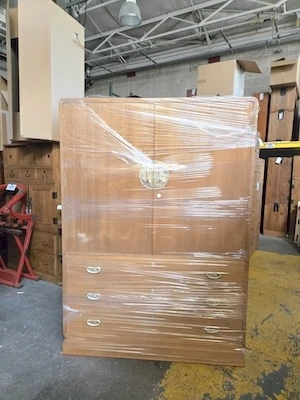
Each piece is carefully inspected, cleaned, and wrapped with protective plastic wrap.
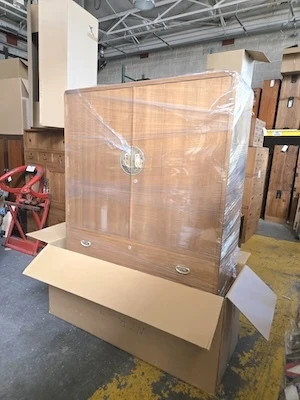
Styrofoam padding is placed at the bottom of the box, and the tansu is carefully positioned on top.
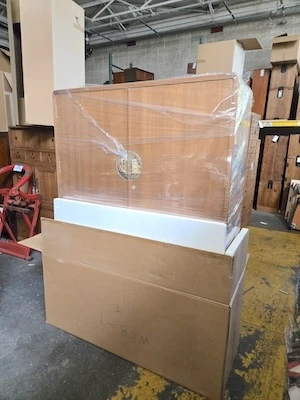
Additional Styrofoam is added around the tansu to protect all sides.
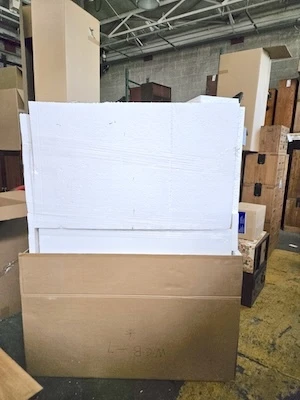
The piece is fully surrounded with Styrofoam and enclosed securely in a box.
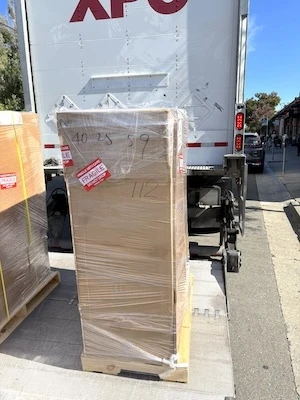
The boxed item is placed on a pallet and secured with poly banding straps for safe transport.
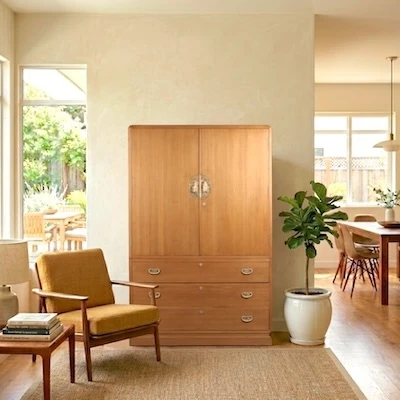
Arrives safely, ready to add warmth, history, and Japanese craftsmanship to your space.
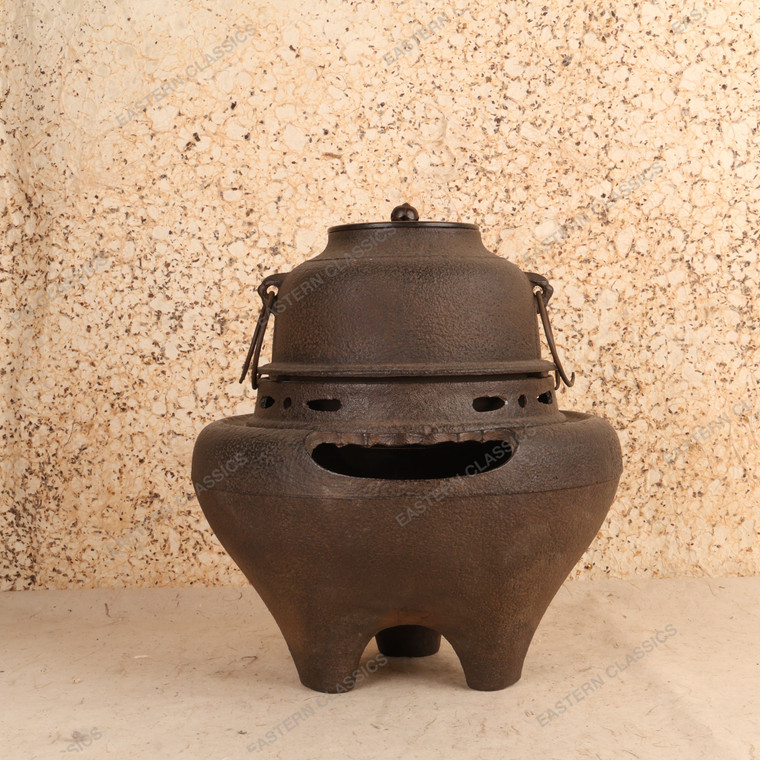
A rare matching cast iron water kettle and charcoal brazier set -- sculptural Japanese antique ironwork with a century of wabi-sabi character.
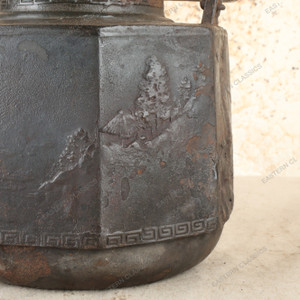
A tetsubin is a traditional Japanese cast iron kettle used to heat water, often over a charcoal brazier called a furo. Together, this two-piece set formed a self-contained heating unit used in domestic settings and, in refined households, as part of the ritual preparation of hot water for tea. The globular tetsubin features a richly pebbled cast iron body, a flat bronze-toned lid with a rounded knob and subtle floral relief, and a pair of ring handles mounted on cast lugs -- all hallmarks of skilled Japanese ironwork from the Taisho period. The furo base is a substantial vessel in its own right: a wide, bulbous body with a large oval fuel opening, a ring of ventilation slots pierced around the upper collar, and broad splayed feet that elevate it with quiet authority. The kettle seats neatly into the flanged collar of the brazier, forming a unified and visually commanding silhouette. The all-over surface patina -- deep chocolate brown with areas of rich surface rust -- is consistent with genuine age and lends an authentic wabi-sabi aesthetic that no reproduction can replicate.
In a modern home, this antique tetsubin and furo set makes an extraordinary living room accent or entryway focal point -- the kind of sculptural object that stops a room cold and invites conversation. Display it as a standalone decorative accent on a hearth, a low shelf, or a stone-topped console in a Japandi-style interior. The furo base, with its generous open interior, can be repurposed as a dramatic planter for a hardy succulent or trailing ivy, while the tetsubin alone reads beautifully as an objet d'art on a bookshelf or side table. This is a compelling gift for collectors of Japanese antique ironware, Japanophiles, or anyone who appreciates the austere beauty of handcrafted Japanese craft from a century ago.
A commanding piece of Japanese antique ironware -- the tetsubin and furo together bring the weight, stillness, and timeless beauty of Taisho-era craft into any modern interior.
We use professional studio lighting to highlight the natural character of the wood. As a result, the tone may appear slightly warmer than under natural daylight.
All antique items are sold as-is. Each piece may exhibit signs of age, including scratches, wear, or minor imperfections. These are not considered defects but natural evidence of the item’s authenticity and age.


SKU: 26J-0607


