

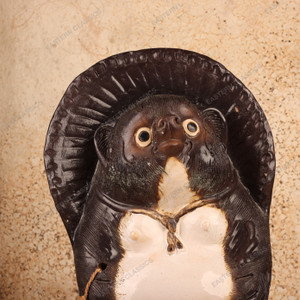
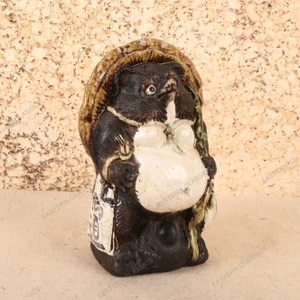
Vintage Japanese Tanuki Figurine, Ceramic, Late Showa 1966-1989 | SKU: 26J-0760
SKU: 26J-0760
$360.00



 International Shipping Notice
 How We Pack Your Tansu
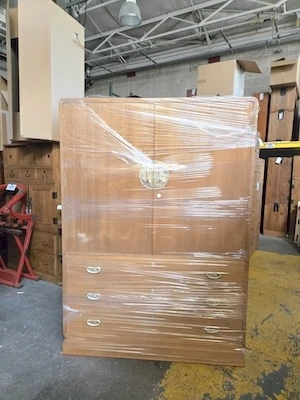
Each piece is carefully inspected, cleaned, and wrapped with protective plastic wrap.
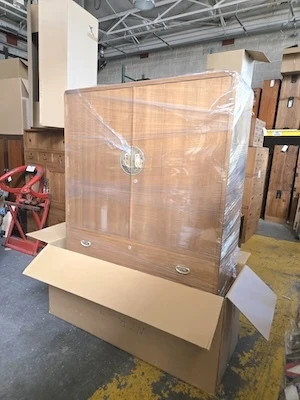
Styrofoam padding is placed at the bottom of the box, and the tansu is carefully positioned on top.
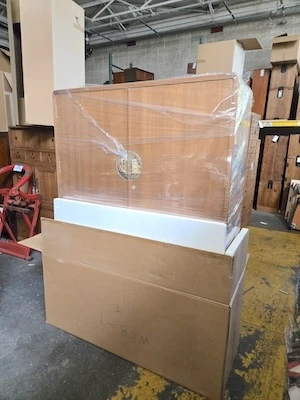
Additional Styrofoam is added around the tansu to protect all sides.
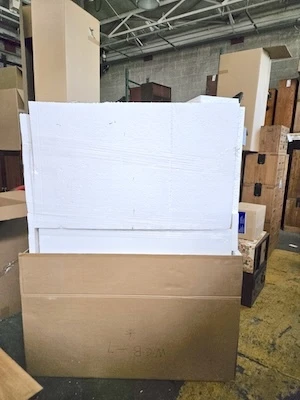
The piece is fully surrounded with Styrofoam and enclosed securely in a box.
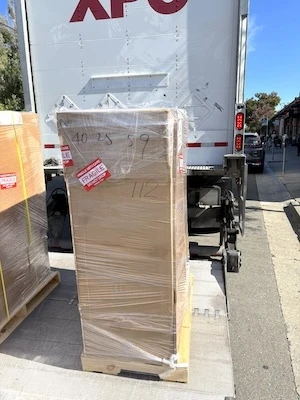
The boxed item is placed on a pallet and secured with poly banding straps for safe transport.
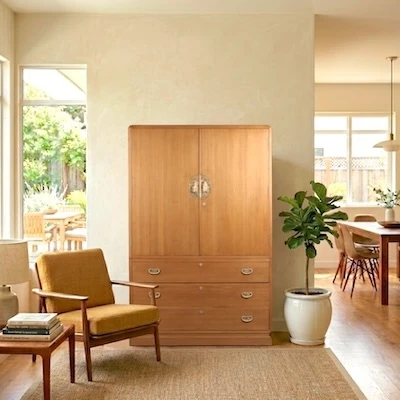
Arrives safely, ready to add warmth, history, and Japanese craftsmanship to your space.

A richly glazed ceramic Daikoku -- god of wealth and good fortune -- seated triumphantly atop his treasure sack with kozuchi mallet raised high.
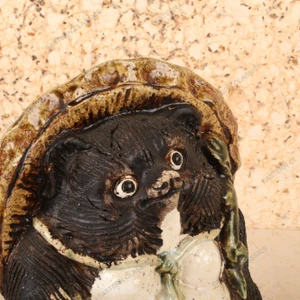
A Daikoku figurine is a traditional Japanese lucky god statue depicting Daikokuten, one of the beloved Shichi Fukujin (Seven Lucky Gods) associated with wealth, agriculture, and abundance. Revered across Japan for centuries, Daikoku is instantly recognized by his wide grin, cloth headband, rotund build, and the two iconic attributes he carries: the kozuchi (magic mallet said to grant wishes) and the large fukubukuro (treasure sack). Figurines like this one were placed in the tokonoma (alcove), on the kamidana (home shrine), or in a merchant's shop to invite prosperity and good luck into the household. This vintage ceramic example -- finished in a warm, richly layered dark brown glaze with reddish undertones -- displays confident hand-modeled detail: expressive grinning face with open mouth and pendulous earlobes, deeply folded robes, and a generously bulging sack beneath him. The matte-to-semi-gloss surface shows the character of age, consistent with quality Showa-era Japanese craft production.
In a modern home, this compact and characterful Daikoku statue brings an immediate focal point to any shelf, side table, or entryway console. Its deep chocolate-brown tones suit a wabi-sabi aesthetic or Japandi style interior equally well, blending effortlessly with natural wood tones and neutral palettes. Display it on a living room bookshelf as a conversation piece, on a home office desk as an auspicious daily companion, or tuck it into an entryway to welcome good fortune to all who enter. It also makes a truly unique housewarming gift or a standout addition to any collection of Japanese vintage figurines and lucky god objects.
A joyful piece of vintage Japanese lucky god art that brings the warmth of traditional folk belief and handcrafted charm to any modern interior.
We use professional studio lighting to highlight the natural character of the wood. As a result, the tone may appear slightly warmer than under natural daylight.
All vintage items are sold as-is. Each piece may exhibit signs of age, including scratches, wear, or minor imperfections. These are not considered defects but natural evidence of the item’s authenticity and age.
SKU: 26J-0760
SKU: 26J-0393

SKU: 26J-0672-1


SKU: 26J-0408
