


Antique Japanese Ranma carved wood transom panel, Taisho, 1912-1926 | SKU: 26M-006-2
SKU: 26M-006-2
$300.00




 International Shipping Notice
 How We Pack Your Tansu
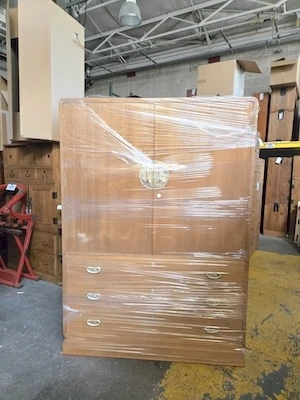
Each piece is carefully inspected, cleaned, and wrapped with protective plastic wrap.
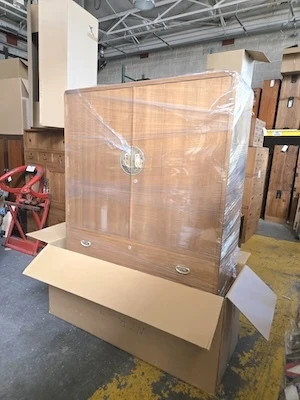
Styrofoam padding is placed at the bottom of the box, and the tansu is carefully positioned on top.
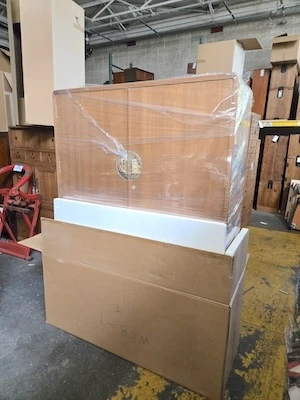
Additional Styrofoam is added around the tansu to protect all sides.
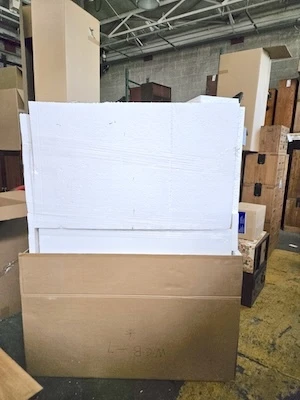
The piece is fully surrounded with Styrofoam and enclosed securely in a box.
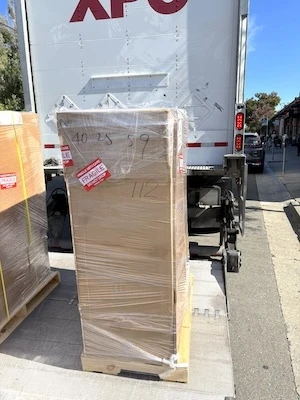
The boxed item is placed on a pallet and secured with poly banding straps for safe transport.
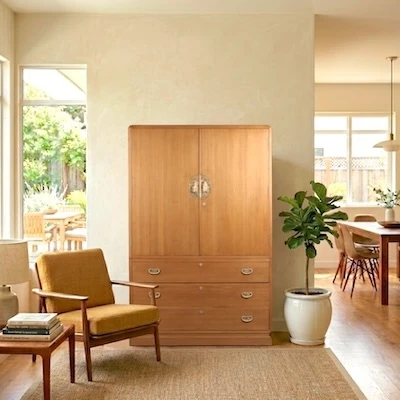
Arrives safely, ready to add warmth, history, and Japanese craftsmanship to your space.

A finely carved antique architectural transom panel depicting a sweeping Japanese landscape -- mountains, pine trees, and an arched bridge rendered in open fretwork relief.
A ranma is a decorative transom panel fitted above interior sliding doors in a traditional Japanese home, designed to allow light and air to flow between rooms while adding refined artistic beauty to the space. This antique ranma features a long horizontal composition carved in open fretwork relief from softwood with a pronounced straight grain consistent with sugi (Japanese cedar). The scene unfolds across the full width of the panel: rolling mountain ranges recede into the background, wind-swept pine trees spread their fan-like canopies over a gently arched bridge with railing details, and additional landscape elements fill the composition with quiet, poetic depth. The carved panel is set within a rounded inner border and enclosed by a bold black-lacquered outer frame -- a classic pairing that heightens the warm reddish-brown tone of the wood. Craftsmanship of this quality reflects the pride Japanese artisans took in handcrafted Japanese architectural elements during the Taisho era, when domestic interiors reached a high point of decorative refinement.
Freed from its original architectural context, this striking Japanese antique panel becomes a versatile living room accent or statement wall art piece for a modern home. Mount it horizontally above a sofa, console table, or bed headboard to bring an immediate sense of depth and natural beauty to the room -- its open fretwork carving creates a subtle play of light and shadow that shifts throughout the day. It works especially well in Japandi-style interiors or spaces with a wabi-sabi aesthetic, where raw texture and handcrafted detail are celebrated. The bold black frame means it can be hung as-is without additional framing, making it a ready-to-display piece of antique Japanese wall art. It also makes a memorable and distinctive gift for collectors of Japanese antique art or Japanophiles seeking something truly one-of-a-kind.
A rare and impressive piece of Japanese antique architectural art -- handcrafted with consummate skill and ready to bring timeless beauty to any modern interior.
We use professional studio lighting to highlight the natural character of the wood. As a result, the tone may appear slightly warmer than under natural daylight.
All antique items are sold as-is. Each piece may exhibit signs of age, including scratches, wear, or minor imperfections. These are not considered defects but natural evidence of the item’s authenticity and age.
SKU: 26M-006-2



SKU: 26M-A035


