




 International Shipping Notice
 How We Pack Your Tansu
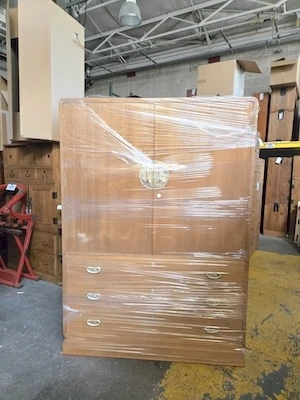
Each piece is carefully inspected, cleaned, and wrapped with protective plastic wrap.
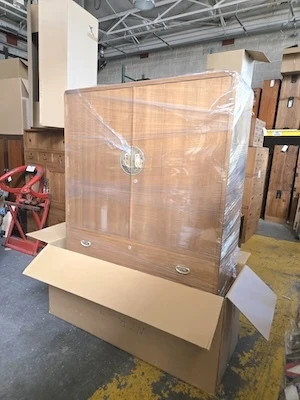
Styrofoam padding is placed at the bottom of the box, and the tansu is carefully positioned on top.
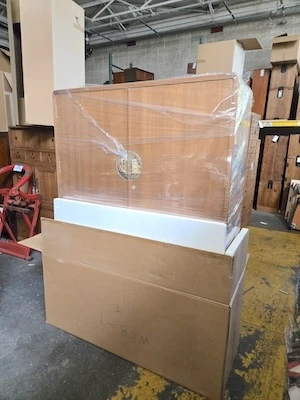
Additional Styrofoam is added around the tansu to protect all sides.
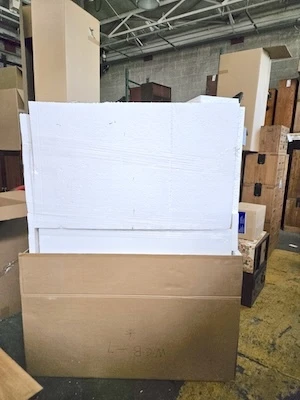
The piece is fully surrounded with Styrofoam and enclosed securely in a box.
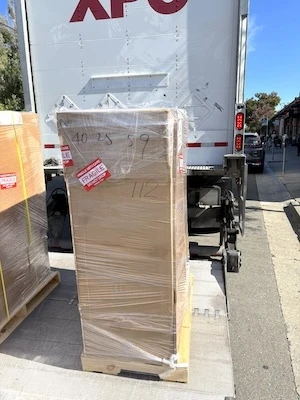
The boxed item is placed on a pallet and secured with poly banding straps for safe transport.

Arrives safely, ready to add warmth, history, and Japanese craftsmanship to your space.

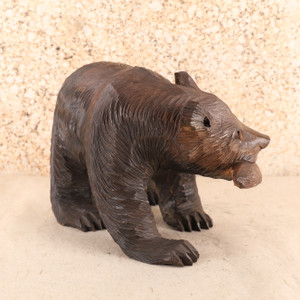
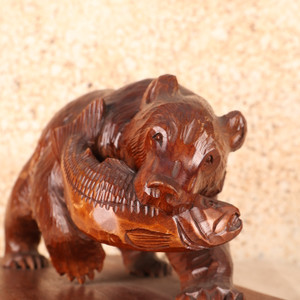
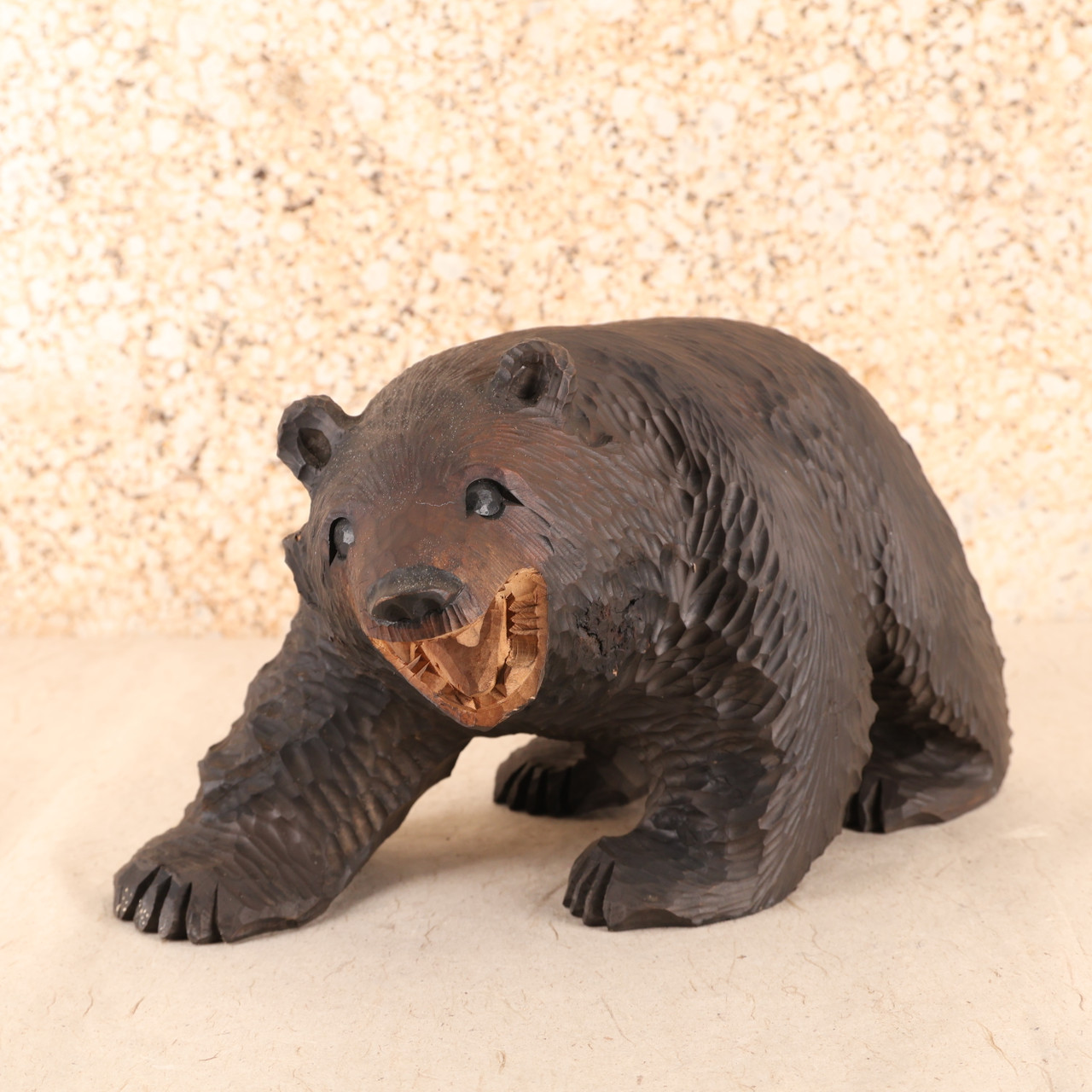
This wooden Ainu bear carving, with a fish firmly gripped in its mouth, stands as a testament to the rich cultural heritage of the Ainu people of Hokkaido, Japan. Carved with exquisite detail and craftsmanship, this sculpture captures the essence of Ainu reverence for nature and their deep connection to the land and sea.
The history of the Ainu bear is intertwined with the Ainu's spiritual beliefs and way of life. The Ainu people, indigenous to the northern regions of Japan, have long revered the bear as a sacred animal, viewing it as a symbol of strength, wisdom, and protection. Bears held a central place in Ainu rituals, with ceremonies conducted to honor and communicate with these powerful creatures.
In Ainu mythology, the bear is often depicted as a divine being, capable of transcending the boundaries between the human and spiritual realms. The Ainu bear carving, with its fish offering, reflects this reverence for the natural world and the intricate relationship between humans and animals in Ainu culture.
As a work of art, this wooden Ainu bear carving serves as a poignant reminder of the Ainu people's resilience and enduring connection to their ancestral traditions. Its intricate design and symbolic significance make it a cherished artifact, preserving the cultural legacy of the Ainu for future generations to appreciate and admire.