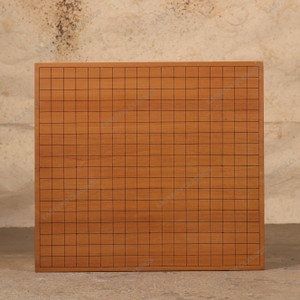
Vintage Japanese Go Board, Kaya Wood, 1966 - 1989 (Late Showa) | SKU: 26M-059-2
SKU: 26M-059-2
$825.00




 International Shipping Notice
 How We Pack Your Tansu
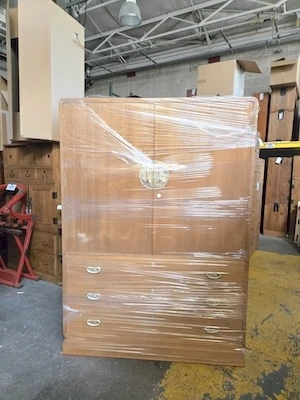
Each piece is carefully inspected, cleaned, and wrapped with protective plastic wrap.
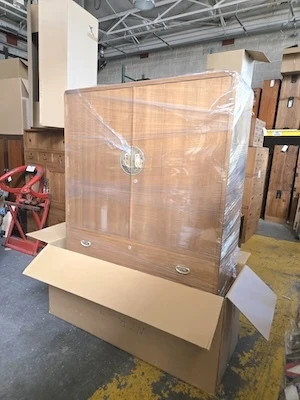
Styrofoam padding is placed at the bottom of the box, and the tansu is carefully positioned on top.
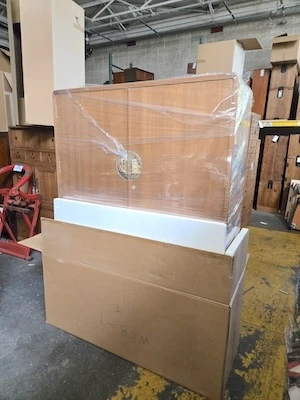
Additional Styrofoam is added around the tansu to protect all sides.
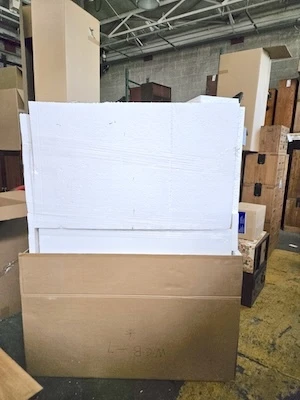
The piece is fully surrounded with Styrofoam and enclosed securely in a box.
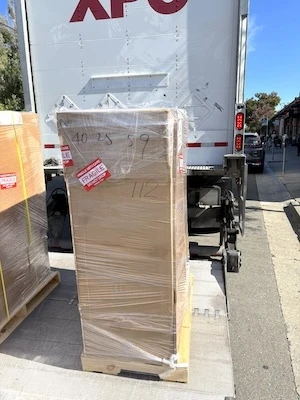
The boxed item is placed on a pallet and secured with poly banding straps for safe transport.
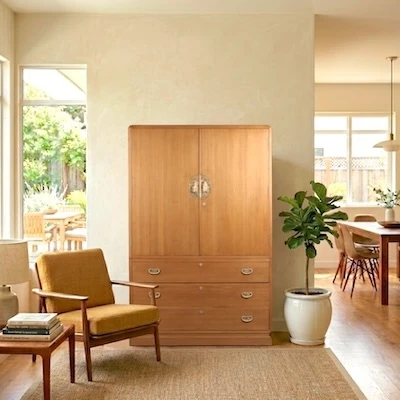
Arrives safely, ready to add warmth, history, and Japanese craftsmanship to your space.
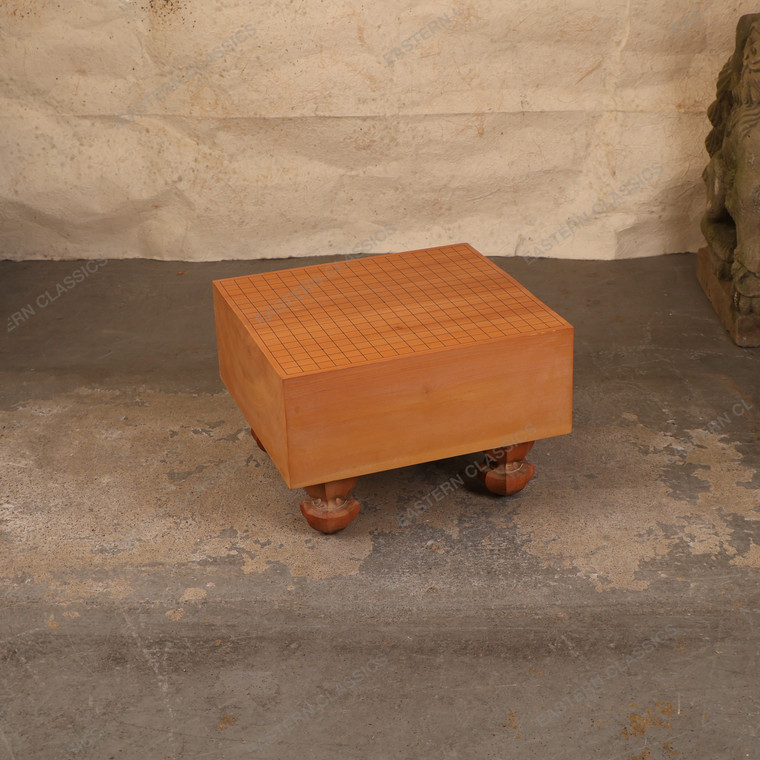
A substantial solid-wood goban with hand-carved feet -- a collector's piece for Go enthusiasts and lovers of Japanese antique game sets alike.
A goban is a traditional Japanese Go board used to play igo, one of the oldest and most strategic board games in the world. This is a hon-goban -- a free-standing, thick solid-block board elevated on four carved feet -- the most prized format among serious players and collectors. Crafted from what appears to be kaya wood, the pale golden-amber hardwood long considered the finest material for goban construction in Japan, the board displays a straight, fine grain visible across the playing surface and sides. Kaya wood was treasured for its natural resilience, subtle warmth, and the satisfying sound it produces when a stone is placed upon it -- qualities that made it the benchmark of handcrafted Japanese Go boards for centuries. The crisp black grid lines are cleanly incised across the 19x19 playing surface, with hoshi (star point) markers precisely placed. The underside reveals a small carved square recess -- a traditional feature known as the "sound hollow" or naka-bori, believed to improve the acoustic resonance of the board. The four feet are boldly carved in a classic cluster-petal form typical of late Showa-era goban craftsmanship.
Beyond its function as a vintage Japanese game board, this goban has remarkable presence as a decorative object in a modern interior. Its substantial block form, warm amber tone, and sculptural carved feet make it a natural fit as a low living room accent table, a meditation-space surface, or a statement display plinth for ceramics or botanicals in a Japandi-style or wabi-sabi aesthetic setting. It would also serve beautifully as a unique conversation piece in a home office or study. Whether displayed actively as a playing board or repurposed as a decorative accent, it makes a deeply considered gift for collectors, Go players, or anyone with an appreciation for vintage Japanese craft and traditional game culture.
A rare and beautifully preserved example of vintage Japanese game craft -- this kaya wood goban is as much a work of sculptural art as it is a functional playing board.
We use professional studio lighting to highlight the natural character of the wood. As a result, the tone may appear slightly warmer than under natural daylight.
All vintage and antique items are sold as-is. Each piece may exhibit signs of age, including scratches, wear, or minor imperfections. These are not considered defects but natural evidence of the item’s authenticity and age.
SKU: 26M-059-2