


Antique Japanese Cha Tansu Tea Chest, 1927 - 1945 (Early Showa) | SKU: 26M-C036
SKU: 26M-C036
$1,100.00





 International Shipping Notice
 How We Pack Your Tansu
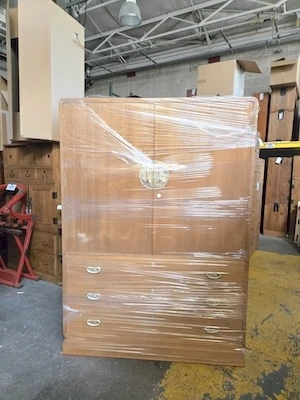
Each piece is carefully inspected, cleaned, and wrapped with protective plastic wrap.
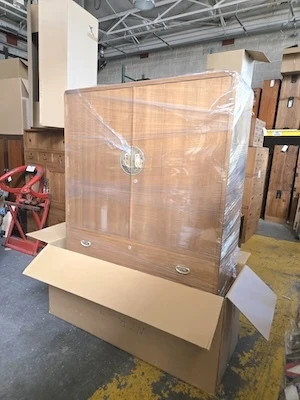
Styrofoam padding is placed at the bottom of the box, and the tansu is carefully positioned on top.
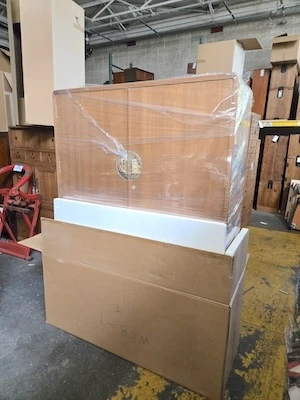
Additional Styrofoam is added around the tansu to protect all sides.
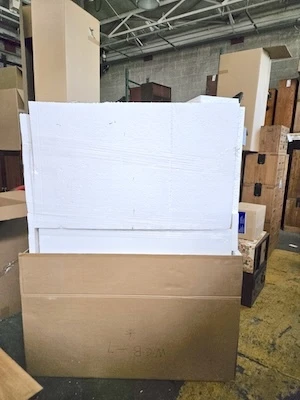
The piece is fully surrounded with Styrofoam and enclosed securely in a box.
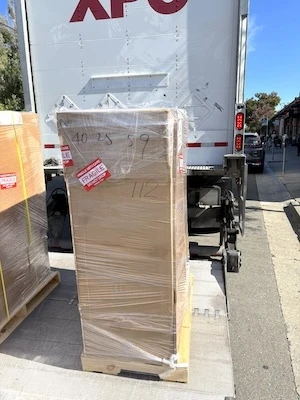
The boxed item is placed on a pallet and secured with poly banding straps for safe transport.
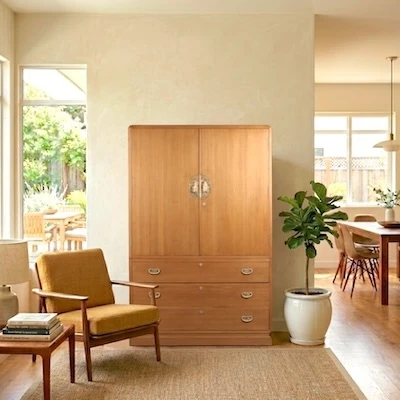
Arrives safely, ready to add warmth, history, and Japanese craftsmanship to your space.

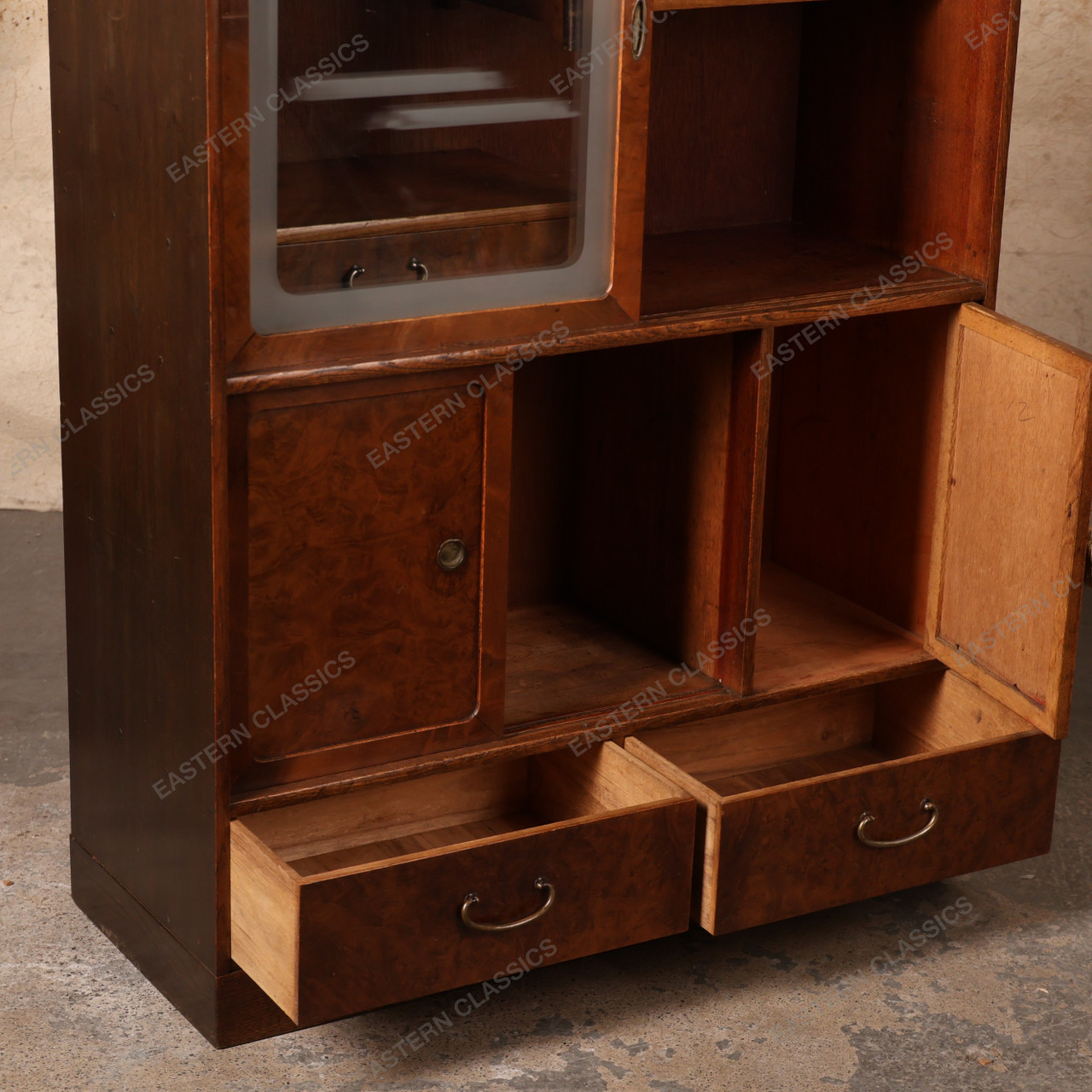
A richly figured Early Showa tea cabinet with glass sliding doors, burl veneer panels, and charming hand-painted inner screens -- a rare survivor of Japanese antique furniture from the interwar era.
A cha tansu is a traditional Japanese tea cabinet designed to store and display the implements of the tea ceremony -- cups, caddies, kettles, and small utensils -- in an organized and elegant fashion. This handcrafted Japanese antique cabinet dates to the Early Showa period (1927-1945), a time when Japanese craftsmen blended classical tansu construction with subtle Art Deco influences. The exterior is veneered in a boldly figured burl wood, likely tochi (horse chestnut) or kaki (persimmon), displaying the swirling, cloud-like grain patterns prized by Japanese cabinetmakers of the era. The upper section features a pair of glass sliding doors with gently rounded frosted-glass panels, opening to reveal interior shelves ideal for displaying tea ware. Below, solid sliding doors conceal a spacious compartment, and the base section offers pull-out drawers fitted with brass bail handles. A delightful detail -- small inner sliding panels faced with aged washi paper hand-painted with sparrows and plum blossoms -- speaks to the refined decorative sensibility of the period. The rounded corners, lacquered frame, and careful joinery are hallmarks of quality vintage Japanese craft.
In today's home, this cha tansu transitions effortlessly into a living room display cabinet, dining room sideboard, or entryway accent piece in a Japandi style interior. The glass-fronted upper shelves are perfect for showing off ceramics, glassware, or a curated collection of small objects, while the enclosed lower compartments and drawers provide discreet everyday storage. Its warm burl veneer tones complement both minimalist decor and wabi-sabi aesthetic interiors. A generous gift for collectors of Japanese antique furniture, it would also make a unique housewarming gift for anyone who appreciates handcrafted Japanese design with genuine history.
A beautifully crafted piece of Japanese antique furniture -- this Early Showa cha tansu brings the warmth of traditional Japanese cabinetry and hand-painted artistry into any modern home.
We use professional studio lighting to highlight the natural character of the wood. As a result, the tone may appear slightly warmer than under natural daylight.
All vintage and antique items are sold as-is. Each piece may exhibit signs of age, including scratches, wear, or minor imperfections. These are not considered defects but natural evidence of the item’s authenticity and age.
SKU: 26M-C036


SKU: 26M-C054


SKU: 26M-C011


SKU: 26M-C039
