


Antique Japanese Kakesuzuri Portable Chest, Meiji circa 1900-1911 | SKU: 26M-821
SKU: 26M-821
$450.00






 International Shipping Notice
 How We Pack Your Tansu
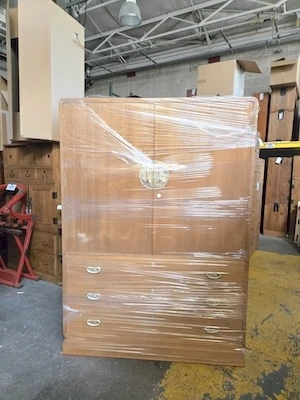
Each piece is carefully inspected, cleaned, and wrapped with protective plastic wrap.
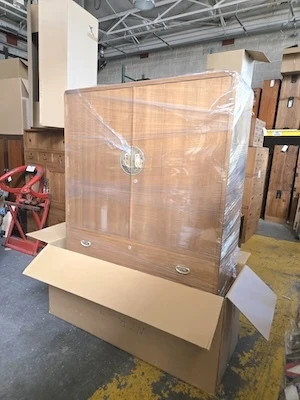
Styrofoam padding is placed at the bottom of the box, and the tansu is carefully positioned on top.
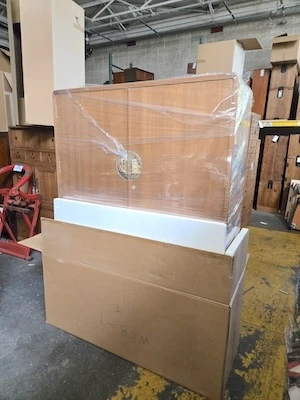
Additional Styrofoam is added around the tansu to protect all sides.
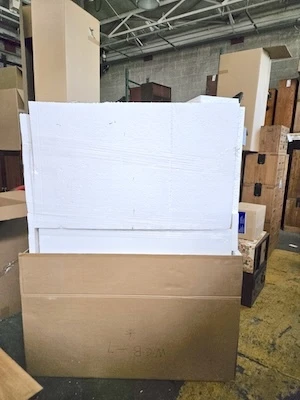
The piece is fully surrounded with Styrofoam and enclosed securely in a box.
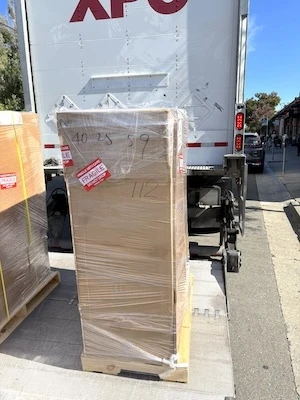
The boxed item is placed on a pallet and secured with poly banding straps for safe transport.
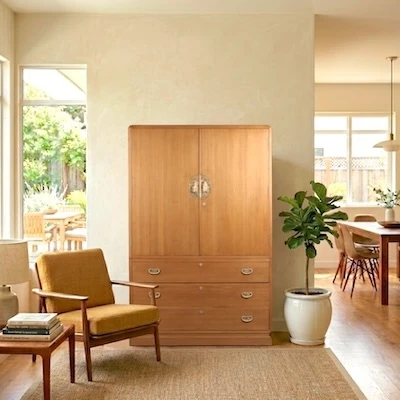
Arrives safely, ready to add warmth, history, and Japanese craftsmanship to your space.
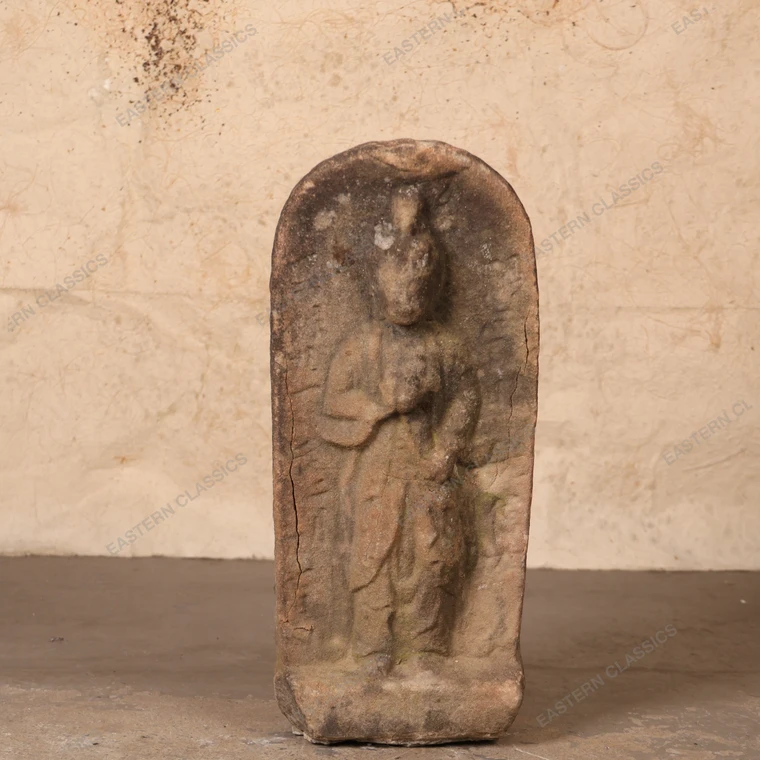
A weathered stone relief of a standing Buddhist deity -- an extraordinary piece of Japanese antique religious sculpture bearing centuries of quiet devotion.
A sekibutsu is a Japanese stone Buddha image, typically carved in relief on a flat stele or marker and placed at roadsides, temple precincts, or household shrines to invite protection and merit. This example presents a standing figure -- most likely Kannon (Avalokiteshvara), the bodhisattva of compassion -- rendered in shallow relief on a rounded-arch tablet of natural stone. The figure stands within a recessed niche, robed in flowing garments with hands gathered at the chest in a devotional posture. The carving style -- bold yet economical, with softly rounded contours -- reflects the folk Buddhist tradition of roadside and wayside worship that flourished throughout the Edo and Meiji periods. Dense mineral patina, lichen staining, moss traces, and a vertical fissure running through the face of the stone all attest to long outdoor exposure, lending this handcrafted Japanese antique a profound wabi-sabi aesthetic that no reproduction can replicate.
Today this stone stele brings an immediate sense of stillness and spiritual depth to a modern home or garden. Stand it upright in a Japandi-style entryway or living room corner as a meditative focal point, or nestle it among moss, gravel, and plantings in a courtyard or zen garden as an outdoor accent. Its compact scale also makes it a striking desk or shelf sculpture in a home office or reading nook -- a unique gift for collectors of Japanese antique sculpture, Japanophiles, or anyone drawn to wabi-sabi and contemplative living-room decor.
A rare and deeply atmospheric piece of Japanese antique stone sculpture -- one that carries over a century of devotion and the irreplaceable beauty of natural weathering into any modern space.
We use professional studio lighting to highlight the natural character of the wood. As a result, the tone may appear slightly warmer than under natural daylight.
All antique items are sold as-is. Each piece may exhibit signs of age, including scratches, wear, or minor imperfections. These are not considered defects but natural evidence of the item’s authenticity and age.
SKU: 26M-821


SKU: 26M-791
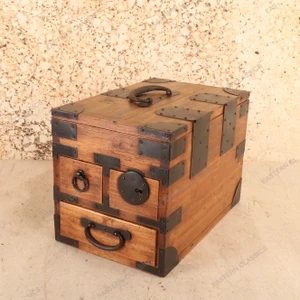

SKU: 26J-0515
