

 International Shipping Notice
 How We Pack Your Tansu

Each piece is carefully inspected, cleaned, and wrapped with protective plastic wrap.
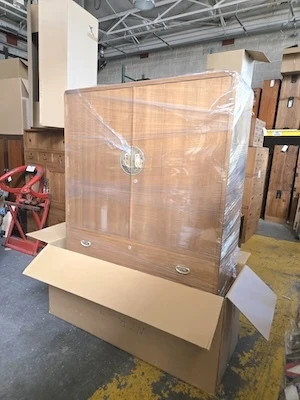
Styrofoam padding is placed at the bottom of the box, and the tansu is carefully positioned on top.
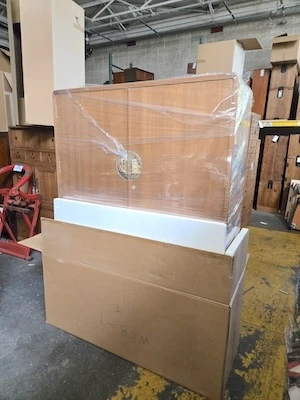
Additional Styrofoam is added around the tansu to protect all sides.

The piece is fully surrounded with Styrofoam and enclosed securely in a box.

The boxed item is placed on a pallet and secured with poly banding straps for safe transport.

Arrives safely, ready to add warmth, history, and Japanese craftsmanship to your space.

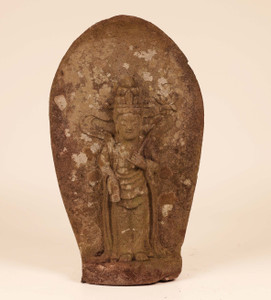
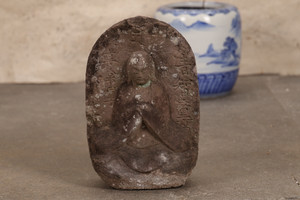
A deeply atmospheric Edo-period Japanese stone Jizo Bosatsu votive stele, hand-carved in 1750 and weathered with centuries of quiet devotion.
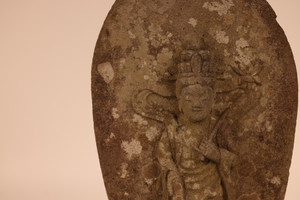
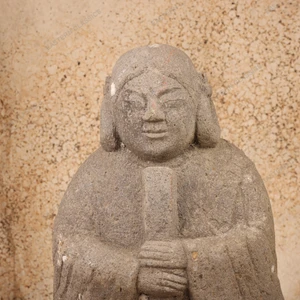
Jizo Bosatsu is one of the most beloved figures in Japanese Buddhism, traditionally regarded as a compassionate guardian of travelers, children, and souls in transition. This antique Japanese stone stele, dated Kan’en 3 — corresponding to 1750 in the Edo period — features a seated Jizo Bosatsu figure carved in low relief within an arched tablet form. The figure is shown with a serene expression and simple monastic robe, embodying the gentle, protective presence associated with Jizo worship throughout Japan.
Vertical inscriptions flank the central figure, preserving the devotional character of the piece and marking its original purpose as a votive or memorial stone. Such sekibutsu, or stone Buddhist carvings, were often placed at roadsides, temple grounds, village boundaries, or sacred outdoor settings as acts of prayer, protection, and remembrance. The surface of the stone carries extensive natural weathering, lichen, mineral deposits, and age-softened carving details, giving the piece a powerful wabi-sabi presence that could only come from genuine age and outdoor exposure.
In a modern setting, this antique Jizo stone makes a meaningful focal point for a Japanese garden, meditation space, entryway, or quiet interior alcove. Displayed on a low wooden base, stone plinth, or among moss and natural plantings, it brings a contemplative sense of history and stillness. Its softly worn surface and spiritual symbolism make it especially suited for wabi-sabi, Japandi, Zen garden, or traditional Japanese interiors.
Origin: Japan
Era: Kan’en 3, Edo Period, 1750
Material: Carved natural stone with lichen, mineral deposits, and age-related surface patina
Use: Buddhist votive or memorial stone featuring Jizo Bosatsu, traditionally placed at temples, roadsides, village settings, or sacred outdoor locations for prayer, protection, and remembrance
Modern Use: Japanese garden focal point; meditation space accent; entryway or alcove display; wabi-sabi or Japandi interior object; altar or contemplative decor
Features: Arched stone tablet form; seated Jizo Bosatsu carved in low relief; vertical devotional inscriptions on both sides; naturally weathered surface with lichen and mineral patina; authentic Edo-period date inscription of Kan’en 3
Dimensions: 11"W x 6"D x 16"H
Condition: Age-consistent wear with surface chips, softened carving details, lichen, and mineral patina. No structural damage; displays beautifully as found.
A rare and quietly powerful Edo-period Japanese Jizo Bosatsu stone — carved in 1750, shaped by time, and rich with the devotional presence of centuries.
We use professional studio lighting to highlight the natural character of the wood. As a result, the tone may appear slightly warmer than under natural daylight.
All antique items are sold as-is. Each piece may exhibit signs of age, including scratches, wear, or minor imperfections. These are not considered defects but natural evidence of the item’s authenticity and age.


SKU: 26M-140-1