
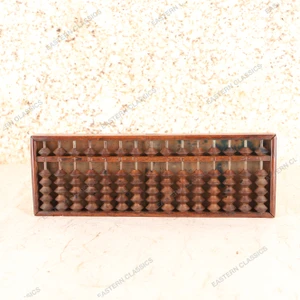

Vintage Japanese Wooden Soroban Abacus — Wood, 1930, Showa Era (SKU: 25S-458-1)
SKU: 25S-458-1
Sold Out






Do you like this piece?
We’ll let you know when we have a similar item.
 Notify me about similar pieces

A Timeless Calculation Tool from Japan
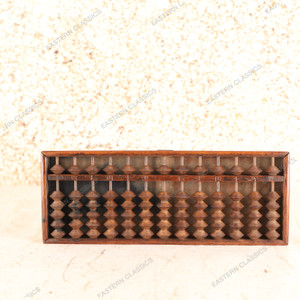
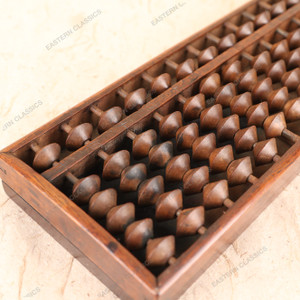
This exquisite antique Japanese abacus, known as a soroban, exemplifies the craftsmanship and mathematical tradition of Japan. Made from fine wood, it features beautifully carved beads that glide effortlessly along the rods, allowing for swift calculations. The aesthetic design and historical significance make it not only a tool for arithmetic but also a captivating decorative piece.
Originating from the Showa era, this abacus showcases the unique Japanese approach to mathematics. The soroban is not just a practical instrument but an embodiment of cultural heritage, reflecting the meticulous attention to detail that characterizes traditional Japanese craftsmanship. Its aged patina adds a touch of authenticity, making it a cherished collectible for enthusiasts of vintage Japanese artifacts.
Enhance your collection with this stunning piece of history.
All vintage and antique items are sold as-is. Each piece may exhibit signs of age, including scratches, wear, or minor imperfections. These are not considered defects but natural evidence of the item’s authenticity and age.
SKU: 25S-458-1


SKU: 25S-458-2


