

Do you like this piece?
We’ll let you know when we have a similar item.
 Notify me about similar pieces

A Timeless Classic for Go Enthusiasts
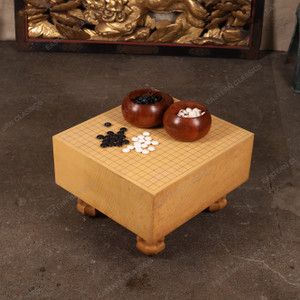
This exquisite vintage Japanese Go board, crafted from fir wood, embodies the rich cultural heritage of the game of Go. Its smooth surface and meticulously designed grid enhance the gameplay experience, making it not just a board but a piece of art that reflects the deep-rooted traditions of Japan. The board's warm tones and natural grain add a touch of elegance to any setting.
Accompanied by beautifully crafted wooden bowls, this set features both black and white stones, expertly made from slate and shell, respectively. The thoughtful design ensures that each game is played with precision and style, making it an ideal choice for both seasoned players and newcomers alike. Embrace the spirit of strategy and competition with this remarkable piece.
Elevate your Go experience with this stunning vintage board.
All vintage and antique items are sold as-is. Each piece may exhibit signs of age, including scratches, wear, or minor imperfections. These are not considered defects but natural evidence of the item’s authenticity and age.